-
Curated by Federico Giani and Chiara Nuzzi
Opening 13.04.2026
15.04.2026
10.07.2026
Fondazione Arnaldo Pomodoro and Fondazione ICA Milano present Dancing at the Edge of the World, a group exhibition featuring the five finalist artists of the 8th edition of the Arnaldo Pomodoro Sculpture Prize: Bronwyn Katz, Dan Lie, Yu Ji, Trương Công Tùng, and Luana Vitra. The exhibition marks a significant milestone in the Prize’s journey and provides the public with insight into the latest trends in international sculptural practice.
Established in 2006 at the initiative of Arnaldo Pomodoro, the Prize is one of the few—both in Italy and internationally—dedicated specifically to sculpture. Each edition serves as an observatory on the international art scene, identifying artists between the ages of 25 and 45 whose individual research makes a significant contribution to ongoing reflections on sculptural practices and the very concept of sculpture in contemporary times.
The artists are selected by a jury chaired by Anne Reeve (Curator, Hirshhorn Museum and Sculpture Garden, Washington) and composed of Federico Giani (Curator, Fondazione Arnaldo Pomodoro), Sohrab Mohebbi (Director, Sculpture Center, New York, and member of the Scientific Committee of Fondazione Arnaldo Pomodoro), Julia Morandeira Arrizabalaga (Director of Studies, Museo Nacional Centro de Arte Reina Sofía), and Chiara Nuzzi (Curator and Editorial Manager, Fondazione ICA Milano).
Starting this year, thanks to the generous con- tribution of Venini, the cash prize has increa- sed from €10,000 to €30,000, thereby enhancing the Prize’s support for the research and experimentation of the artist who wins the 8th edition. The winner will also receive a commemorative plaque specially produced by Venini.
According to the Prize regulations, the Jury is required to select a single winner. However, following the passing of Arnaldo Pomodoro on June 22, 2025, and referencing prestigious precedents such as the Turner Prize 2019 and the Preis der Nationalgalerie 2024, the finalists expressed their wish to share the Prize ex aequo in memory of Pomodoro.
This request was unanimously accepted by the Jury and both Foundations, in full recognition of the symbolic significance of this decision.
The finalists’ exhibition was conceived and developed as an opportunity for exchange and creation, where new works—specifically created for the occasion—engage in dialogue with the space of Fondazione ICA Milano, whi- ch plays a central role in the artists’ creative process. Sculpture thus emerges as an open field of critical inquiry, responsive to the cultu- ral, ecological, and social transformations of the present.
The title refers to Ursula K. Le Guin’s eponymous collection of essays, published in 1989, which encourages readers to embrace alternative perspectives and consider imagination as a political and social tool. The exhibition presents itself as a space of encounter and possibility, where sculpture—like dance— becomes a force capable of expanding the limits of perception and generating new visions.
Curator Chiara Nuzzi, who co-curates the exhibition with Federico Giani, states: «This dance—expressed through postures, images, words, accidents, pulses, matter, and compromises—facilitates an encounter with artistic practices that seek to transform, often unconsciously, the thinking that drives the inexorable destruction of the planet. Beginning with the concept of sculpture as a medium in constant renewal, movement, and evolution, the project as a whole explores alternative perspectives that recognize the potential of contemporary art to reorient epistemological, ontological, and relational trajectories in an era marked by ecological, existential, and relational crises.»
In this context, sculpture emerges as a living, constantly evolving entity—not a static object, but a critical and visionary intervention capable of reconfiguring the relationships between human and non-human, natural and artificial, as well as time and space. Although the human figure is almost entirely absent, the works profoundly question the embodied experience of existence and the multiple forces—natural, environmental, climatic, ar- chitectural, political, and technological—that shape its conditions.
As Anne Reeve, Chair of the Prize Jury, observes, the research presented here outlines a new biomorphism—a morphology of the body capable of inhabiting the dissolution of physical and temporal boundaries.
Federico Giani continues: «Even when transformed in this way, contemporary sculpture—whether figurative, non-figurative, installation, or environmental—has maintained its historical, conceptual, and ontological relationship with the body. From a phenomenological perspective, as Ingvild Torsen stated in an essay a few years ago, the body of sculpture is not simply a three-dimensional object but a living body, comparable to the human body. Indeed, like the human body, beyond its appearance and representation, the body of sculpture is the constitutive site of existence, meaning, and interaction.»
The exhibition
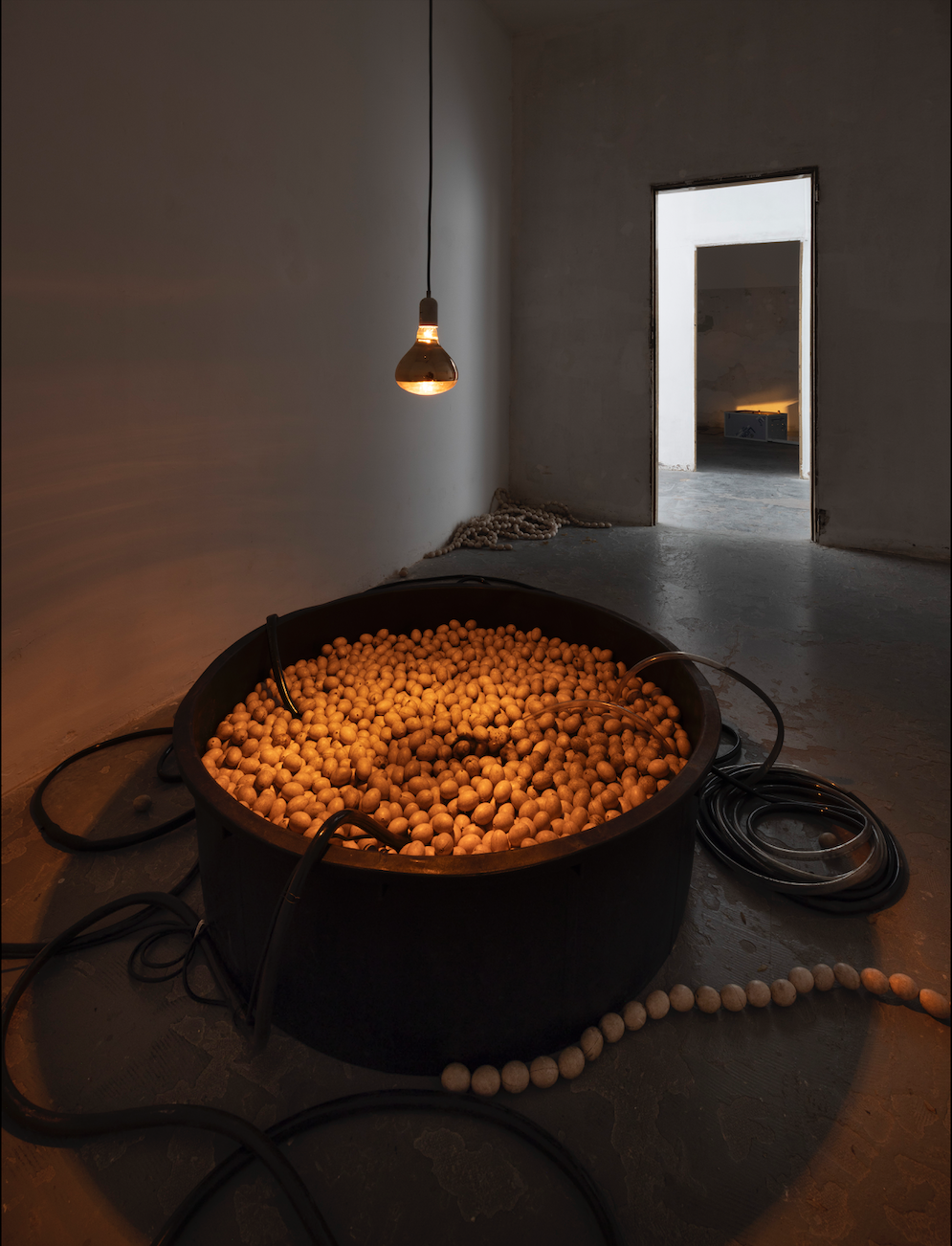
Dancing at the Edge of the World opens with The secret code... by Trương Công Tùng (1986, Vietnam), an immersive installation that inter- twines artificial objects and natural elements, expanding the imagination toward other worlds—both human and non-human. By immersing the audience in an ephemeral universe where time and space fracture and interpenetrate, the components of the work—artificial pigeon eggs, an industrial incubator, termite wings, and a canister filled with black water— function not only as materials but also as life mechanisms that provoke questions about the relationship between humans and the biologi- cal systems they create and influence.
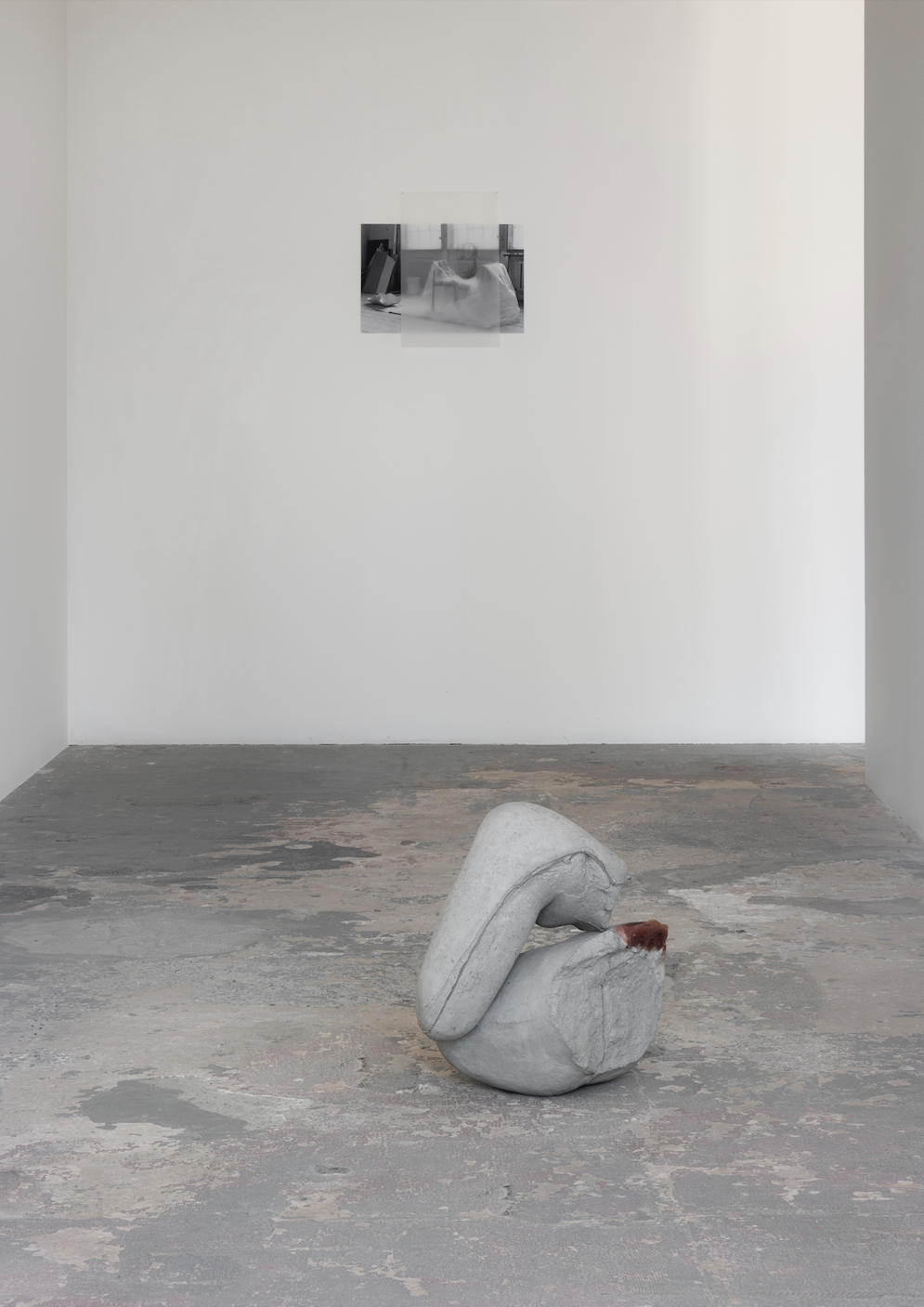
Through a complex installation titled Forager – Lunch (2020–2026), Yu Ji (1985, China) unites diverse elements dispersed throughout the exhibition space, including two sculptures, black-and-white photographic prints overlaid with drawings, and a video displayed on an old television set. The work takes the form of a choreography—a narrative exploring the ways we inhabit the world—imparting the materials with an atemporal depth that paradoxically contrasts with the traditional concept of sculpture.
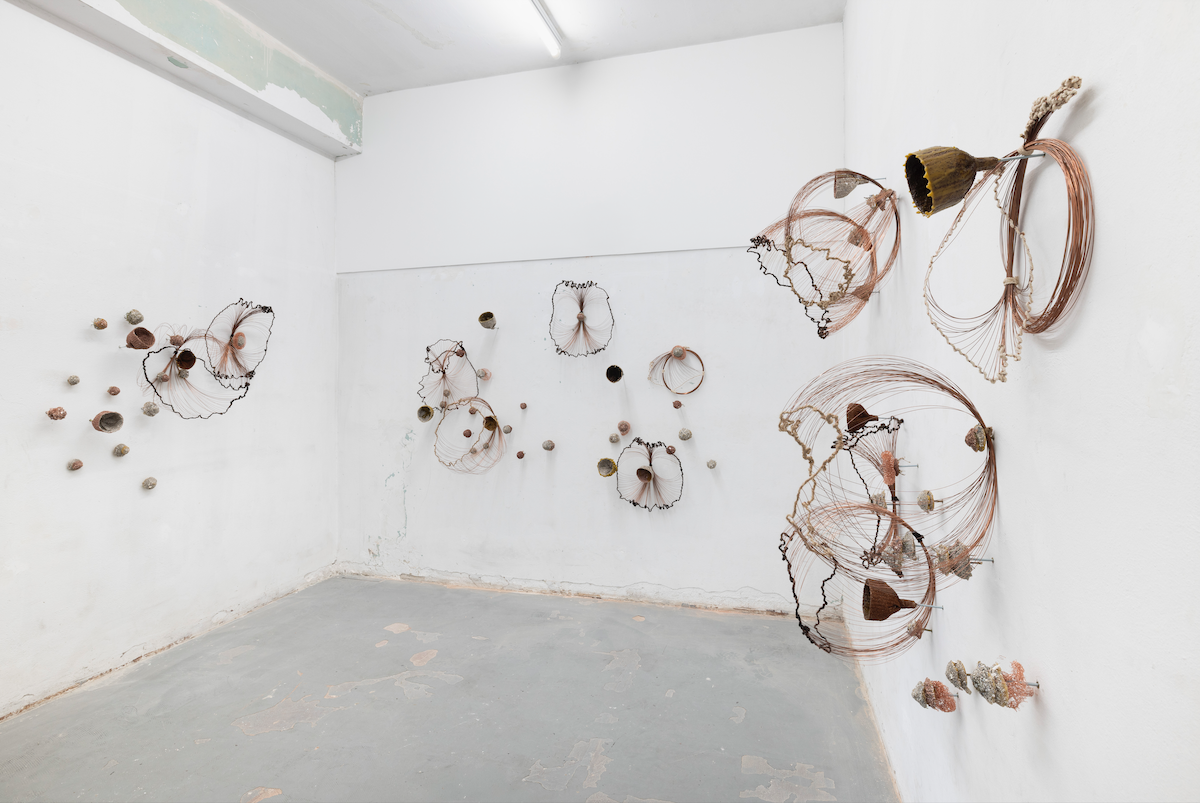
Bronwyn Katz (1993, South Africa) explores the convergence of the human body and terrestrial geology, using sculptural materials as phonetic elements of a language or an imagined musical notation. The installation on view—kx’ũi domma (2026)—serves as a site of encounter between personal and collective hi- story, evoked through exploited, neglected, or erased materials from Southern Africa, such as sand and soil, copper and rope, beeswax, fragments of shells, and various local plant species. The voice of the artist’s great-great-grandfather accompanies the work through a soundtrack, expanding into space and becoming a physical presence.
For Luana Vitra (1995, Brazil), the connection to her place of origin—the territory of Minas Gerais—and the recognition of the spiritual and subjective dimensions inherent in certain materials are fundamental to her practice. Birth Calculation – Variation 2 (2026) offers an alchemical reflection on processes of material transformation, revealing an almost sacred rituality in the arrangement of its components, among which the blue Wagi powder, a symbol of spirit, visually dominates.
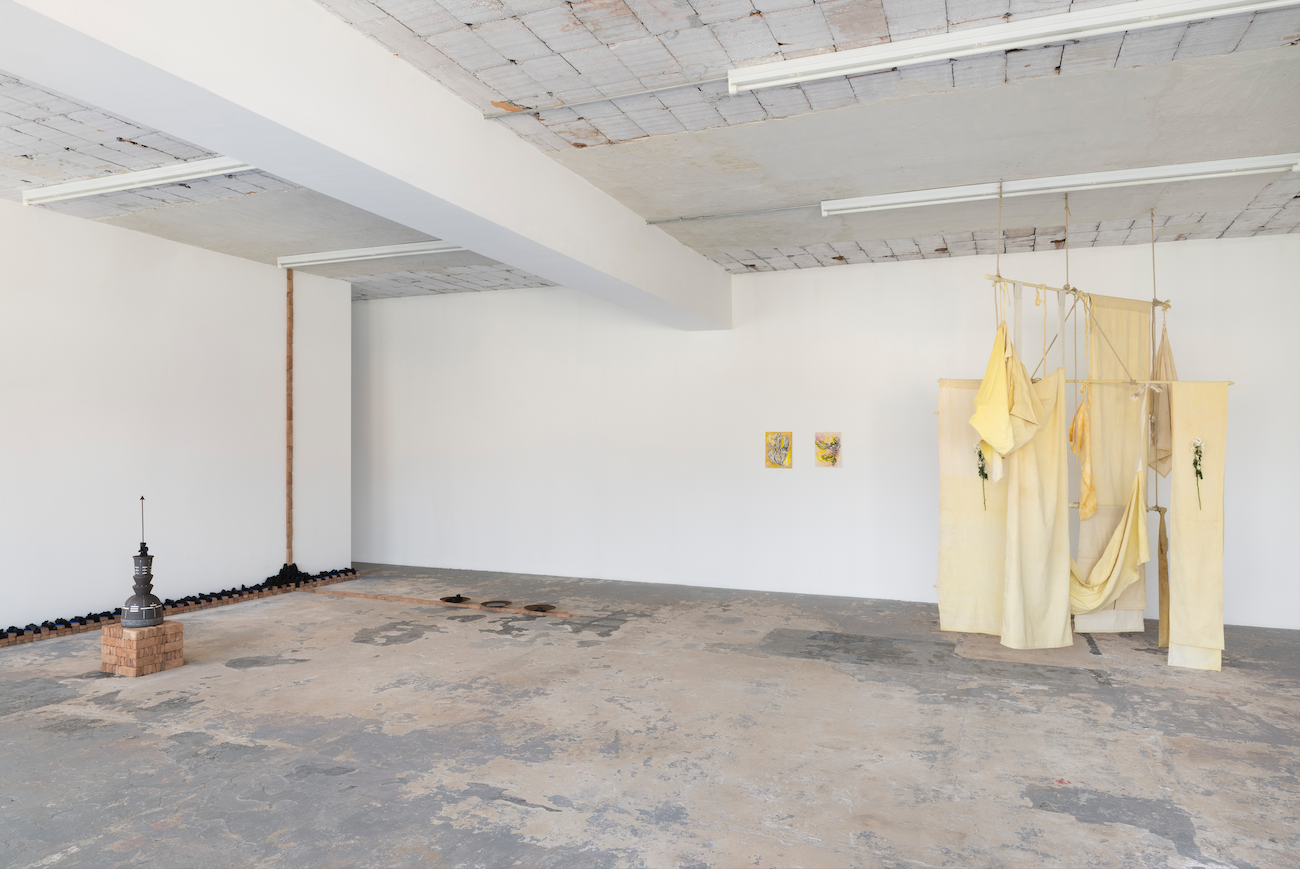
In Dan Lie’s work (1988), the non-human becomes the protagonist, emphasizing dynamics of interdependence and transformation. Following a now-established approach in Lie’s work, Regarding Yellow Thoughts 3 (2026)
is created through the partial reuse and re-configuration of previous installations. The sculpture, composed of turmeric-dyed fabrics adorned with clusters of flowers, establishes an organic relationship in which everything— including the audience and the surrounding environment—plays a role. Concurrently, Lie’s practice extends to drawing with the series The Reek Testimonial. These drawings serve both as intimate studies and conceptual pre-cursors to the installation, translating processes of fermentation, decay, and growth into an immediate and tactile visual language using watercolor, gouache, and soft oil pastels.
An ecosystem of practices and visions
Through the plurality of research presented, the exhibition invites the public to recognize an interconnected and ever-changing world, encouraging new ways of perceiving and understanding contemporary geographies. Accompanied by a publication edited by Lenz Press, scheduled for release in May 2026, the exhibition reaffirms the mission of the Arnaldo Pomodoro Sculpture Prize: to support research that explores new conceptual and relational frontiers, fostering dialogue between artistic experimentation and critical reflection.
At the same time, the project reaffirms the role of Fondazione ICA Milano as a space for exchange and cultural production, where contemporary artistic practices find a context that is open to research, collaboration, and the international circulation of ideas.
The synergy between the two foundations enables a shared curatorial and exhibition framework in which artistic production, institutional vision, and research converge to foster new perspectives on sculpture and its relationship to the present.
Special thanks go to Venini, the main partner of the Prize, for its valuable support of this project and the promotion of contemporary art, and to IGPDecaux, which, for the fourth consecutive edition, serves as the media partner of the Prize.
BRONWYN KATZ | Kimberly, South Africa, 1993
Bronwyn Katz’s practice is rooted in the exploration of materiality, space, and the ways in which everyday objects can be reimagined and transformed. Katz works with found mate- rials and mixed media, using these elements to create sculptures and installations that evoke a sense of movement, presence, and absence. Her work engages the viewer with the physicality of the materials, their potential and the socially constructed ideas that
underpin them, encouraging deeper relationships between bodies and the environment. Katz’s approach to sculpture connects themes of memory and resilience. Exploring the spaces in between—those that are exploited, overlooked, or erased—by using materials that reflect her cultural heritage and personal experiences. Her’s is a minimalism that converses with indigenous southern African forms of abstract art; methods and traditions of mark-making and storytelling that long pre- date western modernism.
Recent solo exhibitions include: Stone’s em- brace, a love spiral of erosion and renewal, Stevenson, Johannesburg (2024); Tus tsĩ ǀxurub, Rain and drought, MASSIMODECAR- LO, Paris (2023); I turn myself into a star and visit my loved ones in the sky, White Cube, London (2021) and A Silent Line, Lives Here, Palais de Tokyo, Paris (2018). Katz has featured in group exhibitions including SIGHTLINES on Peace, Power & Prestige: Metal Arts in Afri- ca, Bard Graduate Center Gallery, New York (2023); The Milk of Dreams, the 59th Interna- tional Art Exhibition of the Venice Biennale (2022); Soft Water, Hard Stone, the New Mu- seum Triennial, New York (2021); the Future Ge- neration Art Prize exhibition, PinchukArtCen- tre, Kyiv (2021); NIRIN, 22nd Biennale of Sydney (2020); Là où les eaux se mêlent, 15th Biennale de Lyon (2019). Katz is a founding member of iQhiya, an 11 women artist collective which has performed across various spaces, including Documenta 14 (in Kassel and Athens). Katz was born in 1993 in Kimberley, South Africa. She lives and work in Cape Town.
DAN LIE | 1998
Dan Lie’s work demonstrates how abjection can be a tool of subversion and expansion. Their practice celebrates natural cycles of transformation and the many interdepen- dent exchanges that structure ecosystems. A fundamental aspect of Dan Lie’s practice is their desire to develop works which de-center human agency and subjectivity.
Working in collaboration with forces they term “other-than-human beings,” such as bacteria, fungi, plants, animals, minerals, spirits, and ancestors, Lie creates site- and time-specific works that can be experienced through multisensory channels. By giving visibility to materials that morph, decay, and evolve, Lie’s ecosystems highlight the intimate yet expan- sive coexistences among diverse beings, acknowledging our shared and continuous participation in the processes of living, dying, and decomposing.
Dan Lie has participated in group exhibitions including: Preis der Nationalgalerie 2024, Hamburger Bahnhof, Berlin (2024); the 35th São Paulo Biennial, São Paulo, Brazil (2023); Singapore Biennale 2022, Singapore Art Mu- seum (2022); Is it morning for you yet?, the 58th Carnegie International, Carnegie Museum of Art, Pittsburgh, USA (2022); Geneva Biennale – Sculpture Garden, Geneva, Switzerland (2022); Composições para tempos insurgentes, Museum of Modern Art Rio de Janeiro, Rio de Janeiro, Brazil (2021); Metabolic Rift, Berlin Ato- nal Festival, Berlin, Germany (2021); Park Platz, Berlinische Galerie, Berlin, Germany (2021);
Bouge B Festival, De Singel International Arts Center, Antwerp, Belgium (2018); the 14th Yogyakarta Biennale, Yogyakarta Nasional Museum, Indonesia (2017); CCBB Música Performance 4, Centro Cultural Banco do Brasil, São Paulo (2016). Dan is trans-nonbinary and is currently based in Berlin.
TRƯƠNG CÔNG TÙNG | Dak Lak, Vietnam, 1986
Trương Công Tùng (b. 1986, based in Ho Chi Minh City, Vietnam) grew up in Dak Lak among diverse ethnic communities in Vietnam’s Cen- tral Highlands. He graduated from the Ho Chi Minh Fine Arts University in 2010, majoring in lacquer painting. With a research focus span- ning science, cosmology, philosophy, and environmental studies, he works across various media, including video, installation, painting, and found objects. His work reflects personal contemplations on the cultural and geopoliti- cal transformations driven by modernization, as seen through the evolving ecology, beliefs, and mythology of his homeland. Trương is also a member of Art Labor (founded in 2012), a collective that bridges visual art and social/ life sciences to produce alternative, informal knowledge through artistic and cultural acti- vities in various public contexts and locales. Trương Công Tùng has exhibited extensively both in Vietnam and internationally, as a solo artist and as part of the Art Labor Collective. Selected exhibitions include: the 3rd Diriyah Contemporary Art Biennale, Riyadh, Saudi Arabia (2026); and the 36th São Paulo Bienna- le, Brazil (2026); Day Wanes..., Night Waxes..., a solo exhibition at the Hamburger Kunsthalle, Hamburg (2025); “Trail Dust”, a solo exhibition at Canal Projects, New York (2024); “The Diso- riented Garden... A Breath of Dream” at Sàn Art, Ho Chi Minh City (2023); Sa Sa Art Project, Phnom Penh (2024); Jim Thompson Art Center, Bangkok (2024); and MUSEION, Bolzano (2024), supported by the Han Nefkens Foundation, where he won the Southeast Asian Video Art Production Grant 2023; the 11th Asia Pacific Triennial of Contemporary Art, Brisbane, Au- stralia (2024); “Cloud Chamber” at Para Site, Hong Kong (2024); “The Spirits of Maritime Crossing”, organized by the Bangkok Art Bien- nale Foundation as a Collateral Event of the 60th Venice Biennale (2024); “Is it morning for you yet?” at the 58th Carnegie International, Pittsburgh, USA (2022); “State of Absence... Words out there. A collaborative installation by plants, insects, earth, water, ash, air... and Trương Công Tùng”, at Manzi Art Space, Hanoi (2021); “The Sap Still Runs” at Sàn Art, Ho Chi Minh City (2019); “Between Fragmentation and Wholeness” at Galerie Quynh, Ho Chi Minh City (2018); “A Beast, a God, and a Line” at Para Site, Hong Kong (2018) and at the Museum of Modern Art, Warsaw (2018); Dhaka Art Sum- mit (2018); “Soil and Stones, Souls and Songs” at Para Site, Hong Kong (2017) and at Kadist, San Francisco (2016); “Across the Forest” for Project Skylines with Flying People 3 at Nhà Sàn Collective, Hanoi (2016); “Gestures and Archives of the Present, Genealogies of the Future” at the Taipei Biennial, Taiwan (2016). Collections: MUSEION, Bolzano, Italy; Kadist Art Foundation, Paris and San Francisco; Mu- seum of Modern Art in Warsaw, Poland; The Nguyen Art Foundation, Vietnam; Post Vidai, Vietnam and Switzerland; Aura Contemporary Art Foundation, Japan; Hamburger Kunsthalle, Hamburg, Germany; and others.
LUANA VITRA |Contagem, MG, Brazil, 1995
Luana Vitra (Contagem, MG, Brazil, 1995) was born and raised in the state of Minas Gerais, a region known for its monumental natural land- scapes deeply shaped by industrial mining activity. From an early age, she experienced the diverse manifestations of iron and soot. Gestated between carpentry — on her father’s side — and the handling of words — on her mother’s side — her practice emerges from processes that recognize the physical quali- ties and subtle contours of materials, explo- ring the psycho-emotional infusion of landscapes. From compositions made with a wide range of materials, her objects and installations reconfigure universal symbols and elaborate others, especially inve- sted in the qualities of matter, evoking poetry, discussing subjectivities, and raising political questions. She has participated in group exhibitions at major Brazilian museums, such as MASP, MAM Rio, and MAR, as well as international shows at the South London Gallery (United Kingdom), Framer Framed (Netherlands), and FCA (Ghana). Her work Pulmão da Mina (Lung of the Mine) was featured in the 35th São Paulo Biennial. In 2023, she held solo exhibitions, including Giro at Inhotim and As contas do meu rosário são balas de artilharia (The beads of my rosary are artillery bullets) at Kunstinsti- tuut Melly in Rotterdam. She has taken part in international residencies, such as La Becque in Switzerland, and participated in a public conversation with Nastassja Martin at the Centre Pompidou. She has been honored with the Prince Claus Seed Award (Netherlands, 2022), the Hartwig Art Production Award (Netherlands, 2023), and the PIPA Prize (Brazil, 2023). Her works are part of significant institutional collections, inclu- ding the Rijks Collection (Netherlands) and the Pinacoteca de São Paulo.
YU JI | Shanghai, 1985
Yu Ji (b.1985) obtained her MA from the Depart- ment of Sculpture, College of Art of Shanghai University, in 2011. She is currently based in New York and Shanghai. Her creations include installation, sculpture, performance and video, among which sculpture is the core of her work. Yu Ji’s current practice is motivated by on- going investigation into specific locations with geographical and historical narratives. She focuses on ideas created with time, space and movement, usually using basic and readily found materials to embed immateriality and intangibles into material existence. From 2008 till 2021, she had co-founded AM Art Space — an artist-led space in Shanghai, promoting experimentation and exchanges between artists. Yu Ji has exhibited internationally with recent solo exhibitions including Hide Me in Your Belly, Centro Pecci, Prato, Italy (2024); We the singular in multiple ghosts. I the multiple as parts of whole., ICA Institute of Contemporary Art, NYU, Shanghai (2023); A Guest, A Host, A Ghost, OCMA Orange County Museum of Art, Costa Mesa (2023); Miss Shell, Delta, and Two Noughts, CCA Centre for Contemporary Arts, Berlin (2023); Against Shadows Against Shadows, Sadie Coles HQ, London (2022); and Wasted Mud, Chisenhale Gallery, London (2021). Current and recent group exhibitions included Chine: A New Generation of Artists, Centre Pompidou, Paris (2024); Sigg Prize 2023, M+, Hong Kong (2023); ATP The 10th Asia Pacific Triennial of Contemporary Art, QAGO- MA Queensland Art Gallery, Brisbane (2021); and Soft Water Hard Stone, Fifth New Museum Triennial, New Museum, New York (2021). In 2021 Yu Ji’s first artist book, Wasted Mud, an extensive bilingual publication in English and Mandarin Chinese, was published to accom- pany her solo exhibition at Chisenhale Gallery. In 2017 Yu Ji was shortlisted for the Hugo Boss Prize Asia and in 2023 she was nominated for the prestigious Sigg Prize.
Dancing at the Edge of the World. Arnaldo Pomodoro Sculpture Prize – 8th edition, curated by Federico Giani and Chiara Nuzzi. Courtesy Fondazione ICA Milano, Fondazione Arnaldo Pomodoro and the artists. Ph. credits: Andrea Rossetti Archive.
Dancing at the Edge of the World. Arnaldo Pomodoro Sculpture Prize – 8th edition, curated by Federico Giani and Chiara Nuzzi. Courtesy Fondazione ICA Milano, Fondazione Arnaldo Pomodoro and the artists. Ph. credits: Andrea Rossetti Archive.
Dancing at the Edge of the World. Arnaldo Pomodoro Sculpture Prize – 8th edition, curated by Federico Giani and Chiara Nuzzi. Courtesy Fondazione ICA Milano, Fondazione Arnaldo Pomodoro and the artists. Ph. credits: Andrea Rossetti Archive.
Dancing at the Edge of the World. Arnaldo Pomodoro Sculpture Prize – 8th edition, curated by Federico Giani and Chiara Nuzzi. Courtesy Fondazione ICA Milano, Fondazione Arnaldo Pomodoro and the artists. Ph. credits: Andrea Rossetti Archive.
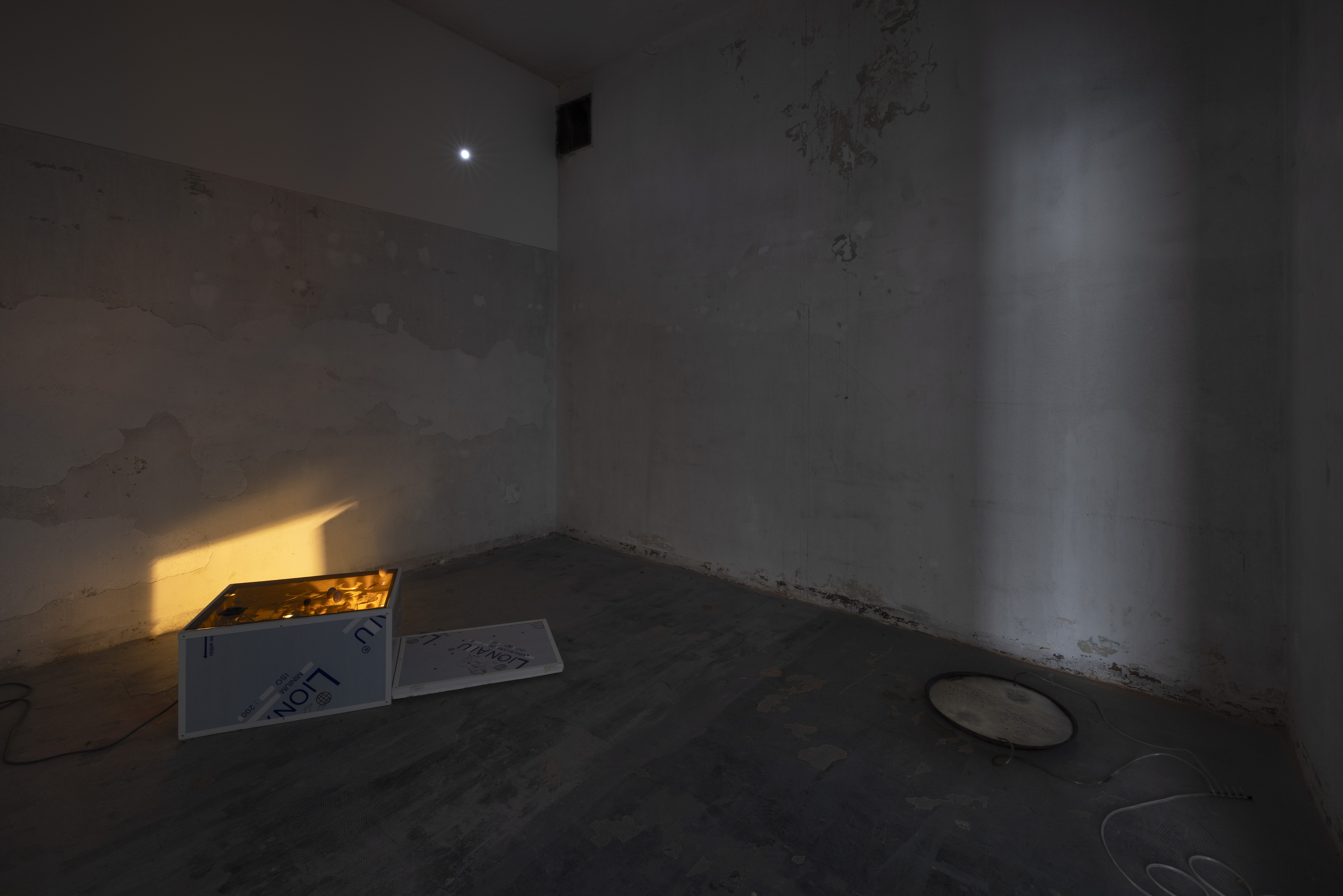
Dancing at the Edge of the World. Arnaldo Pomodoro Sculpture Prize – 8th edition, curated by Federico Giani and Chiara Nuzzi. Courtesy Fondazione ICA Milano, Fondazione Arnaldo Pomodoro and the artists. Ph. credits: Andrea Rossetti Archive.
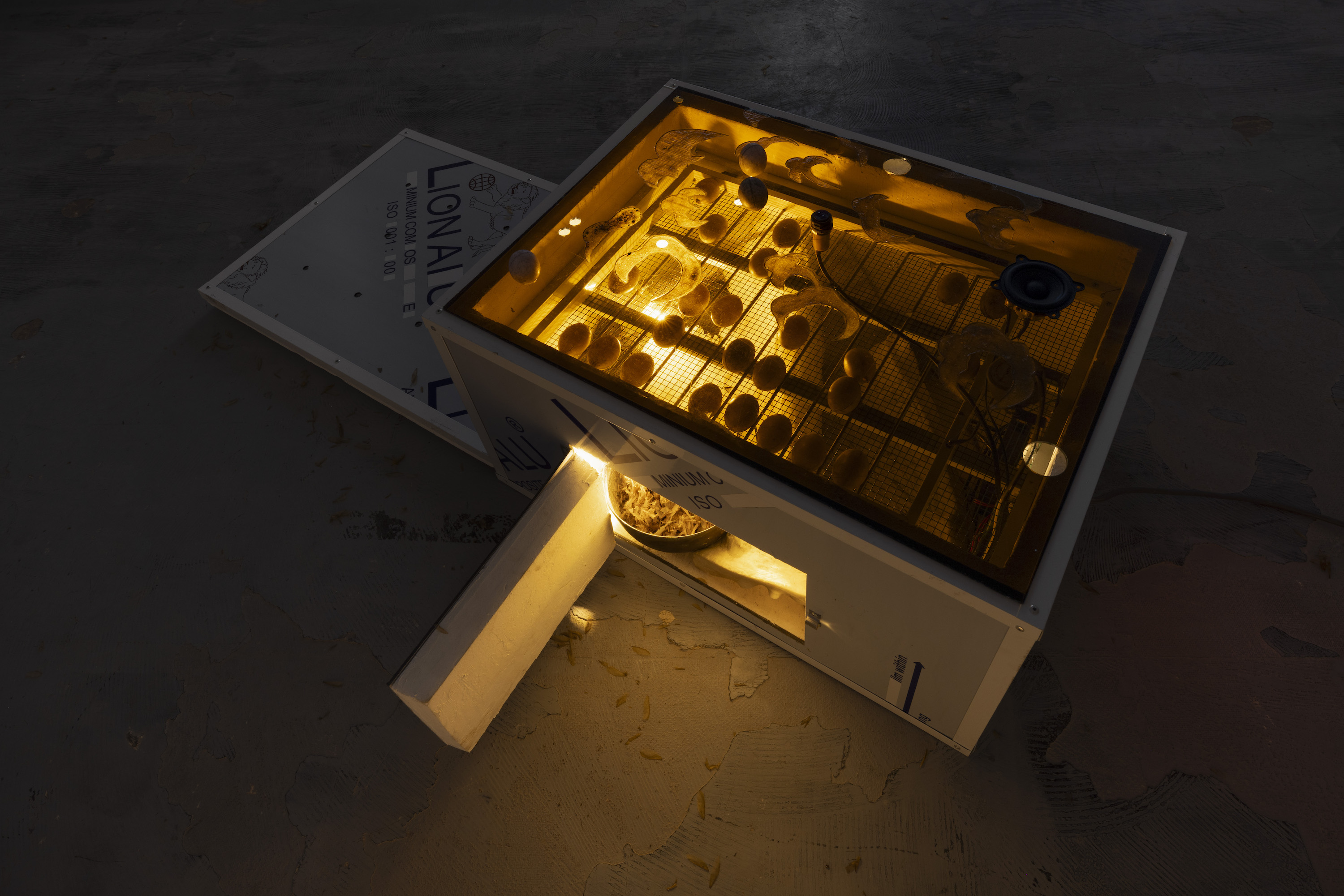
Dancing at the Edge of the World. Arnaldo Pomodoro Sculpture Prize – 8th edition, curated by Federico Giani and Chiara Nuzzi. Courtesy Fondazione ICA Milano, Fondazione Arnaldo Pomodoro and the artists. Ph. credits: Andrea Rossetti Archive.
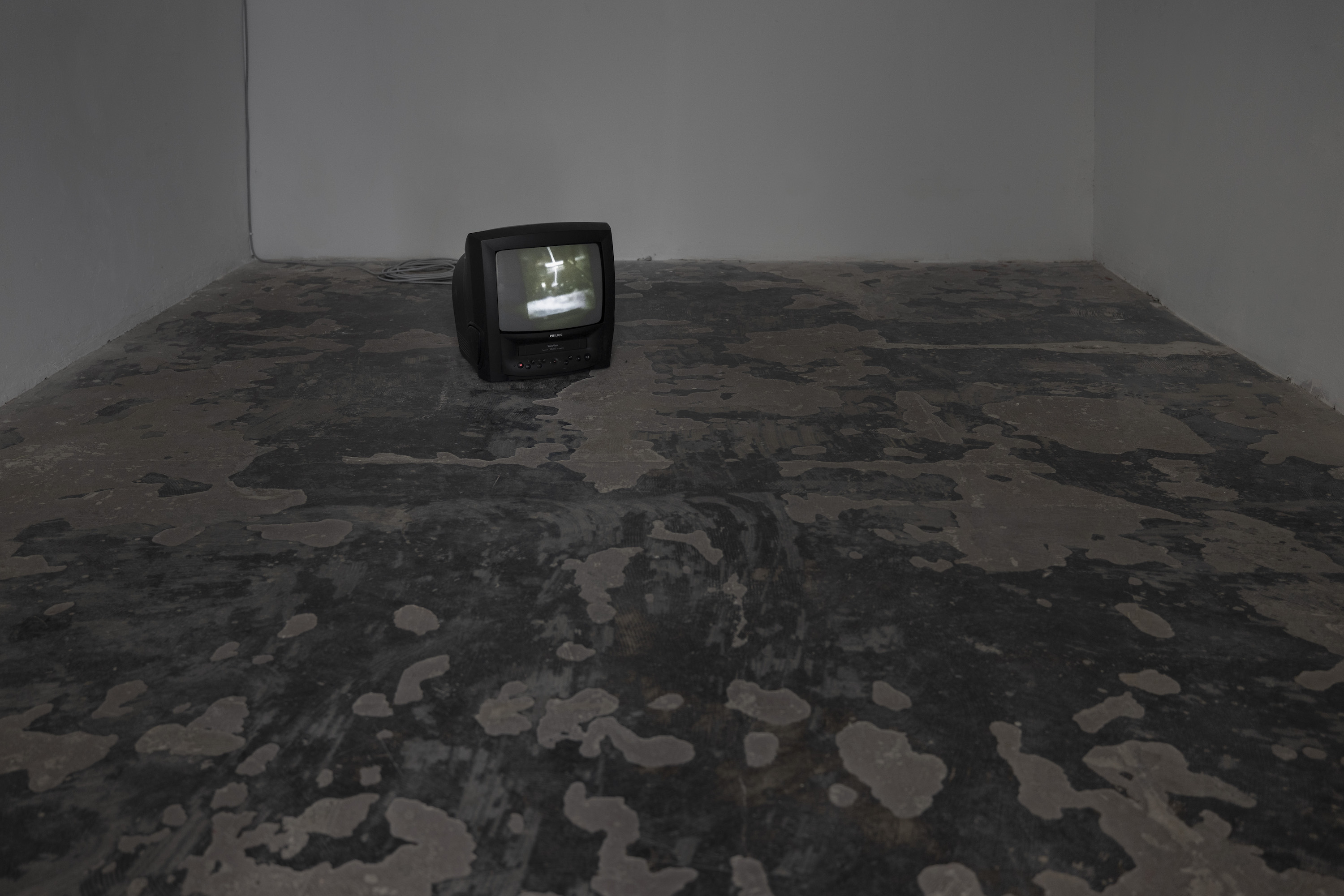
Dancing at the Edge of the World. Arnaldo Pomodoro Sculpture Prize – 8th edition, curated by Federico Giani and Chiara Nuzzi. Courtesy Fondazione ICA Milano, Fondazione Arnaldo Pomodoro and the artists. Ph. credits: Andrea Rossetti Archive.
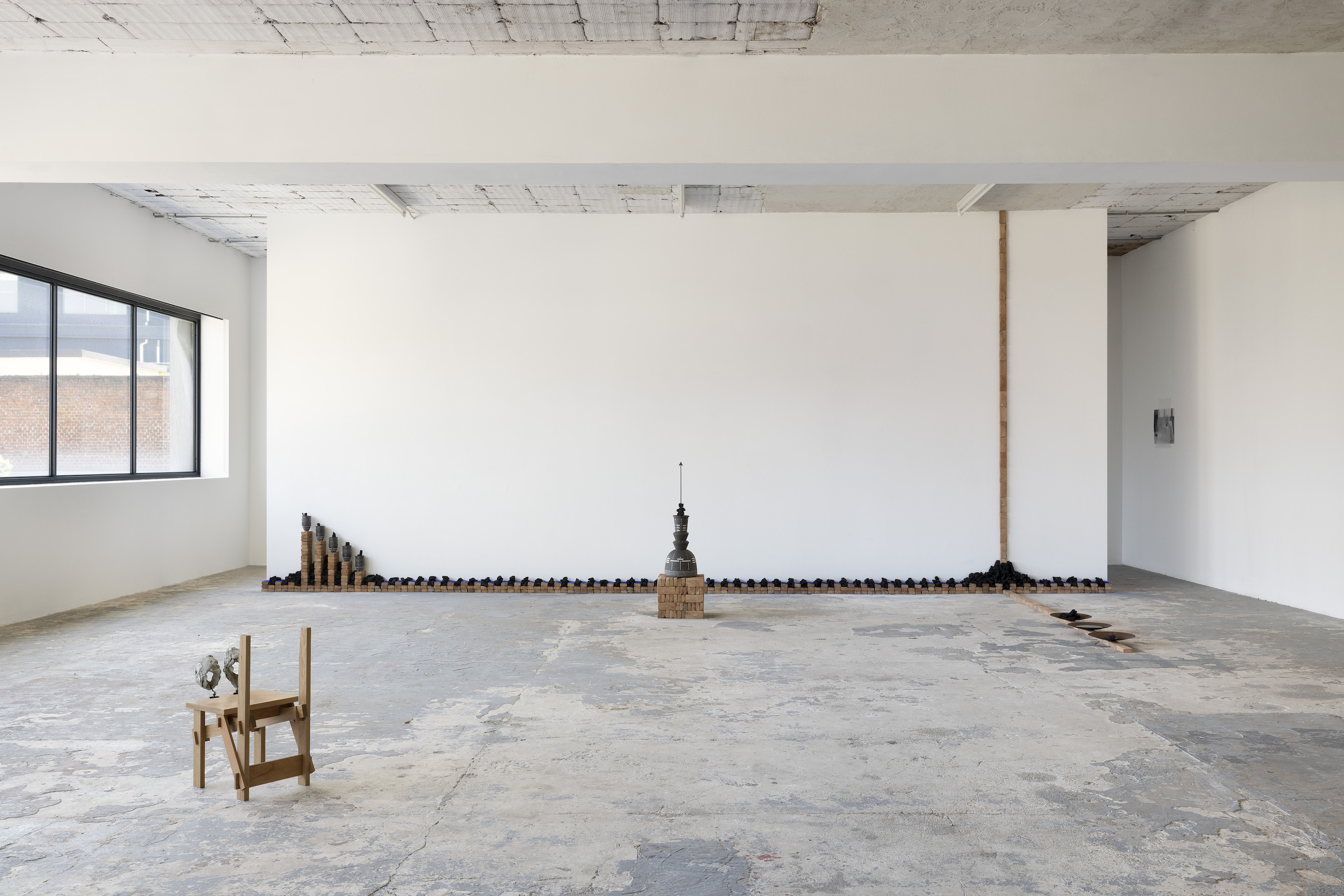
Dancing at the Edge of the World. Arnaldo Pomodoro Sculpture Prize – 8th edition, curated by Federico Giani and Chiara Nuzzi. Courtesy Fondazione ICA Milano, Fondazione Arnaldo Pomodoro and the artists. Ph. credits: Andrea Rossetti Archive.
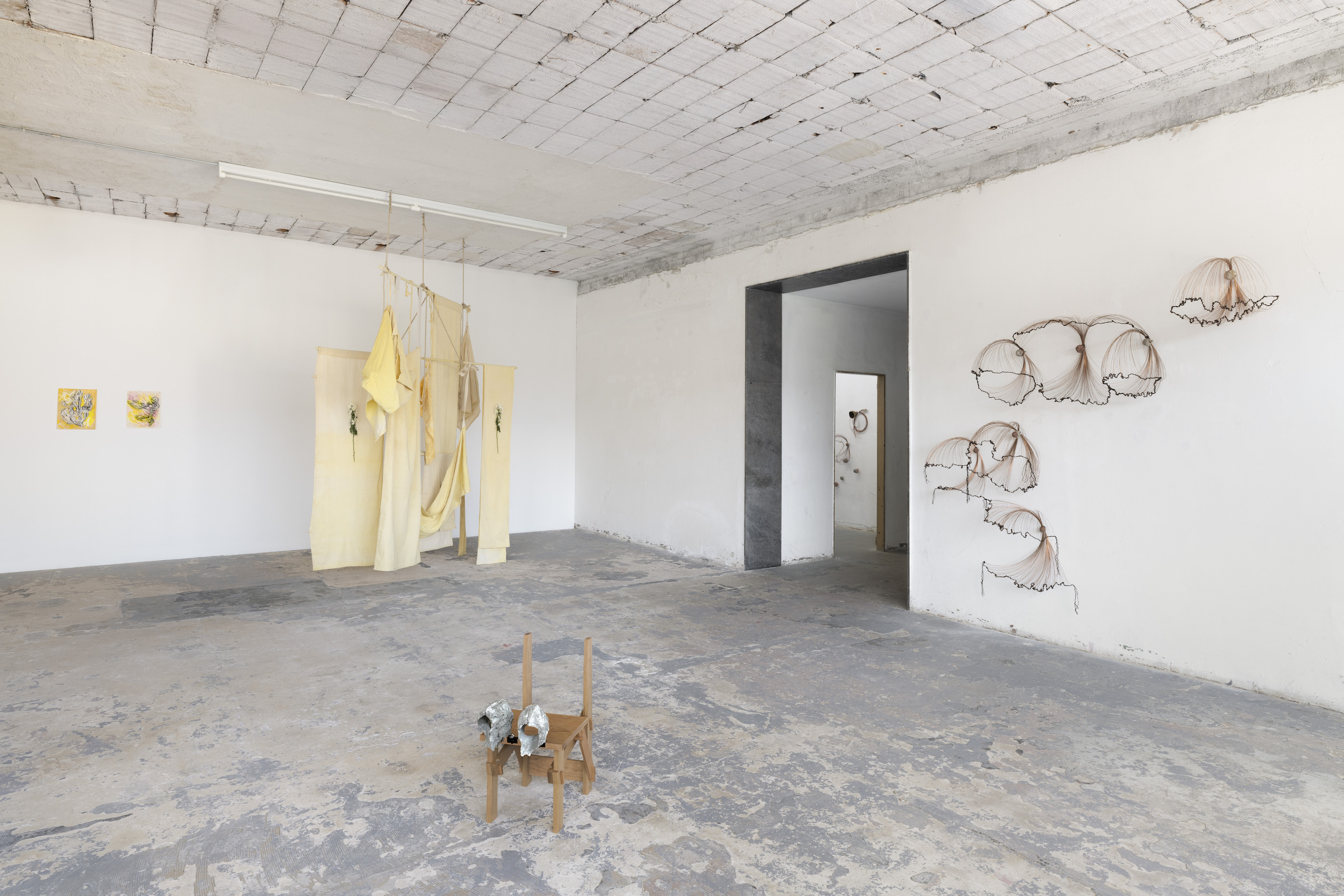
Dancing at the Edge of the World. Arnaldo Pomodoro Sculpture Prize – 8th edition, curated by Federico Giani and Chiara Nuzzi. Courtesy Fondazione ICA Milano, Fondazione Arnaldo Pomodoro and the artists. Ph. credits: Andrea Rossetti Archive.
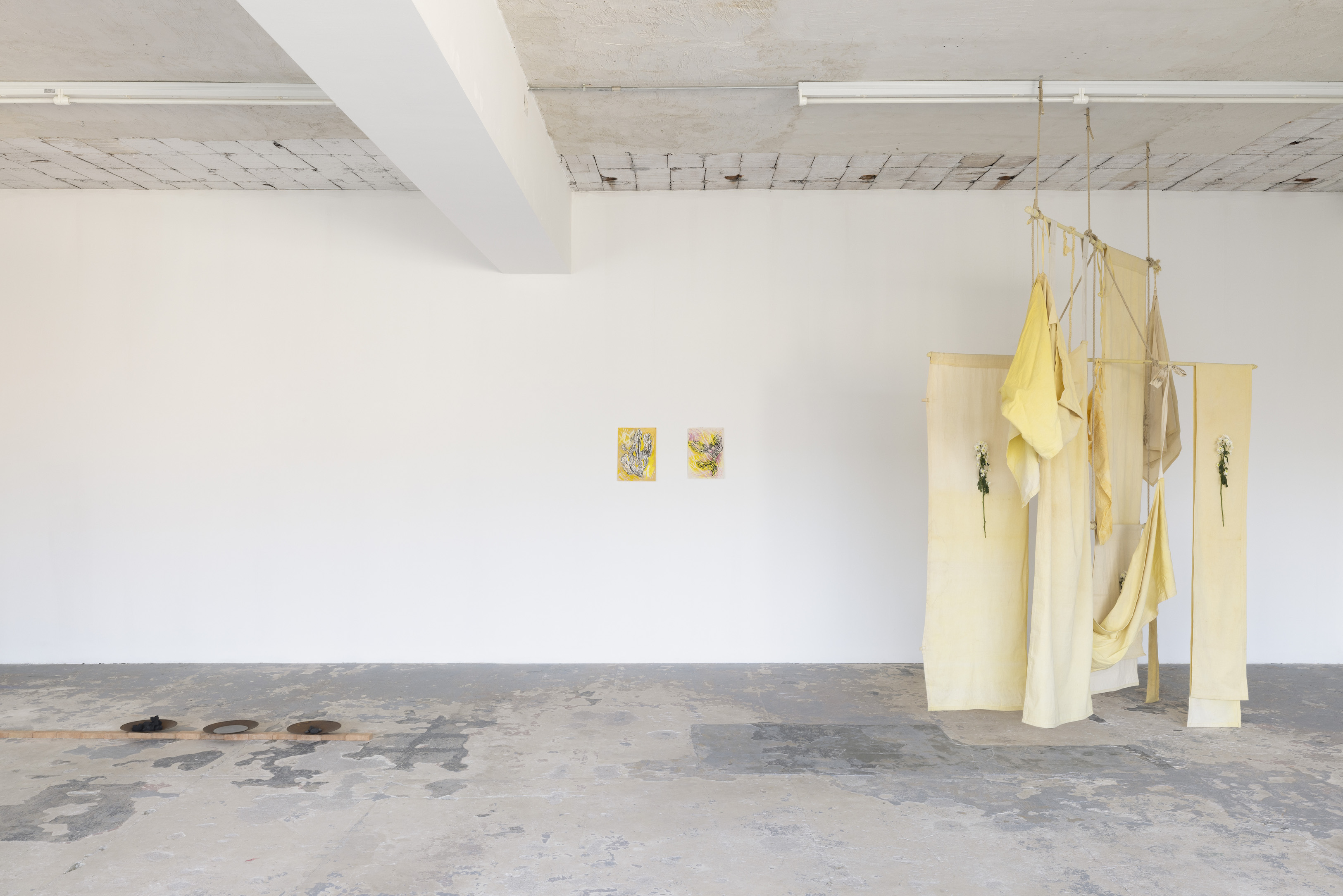
Dancing at the Edge of the World. Arnaldo Pomodoro Sculpture Prize – 8th edition, curated by Federico Giani and Chiara Nuzzi. Courtesy Fondazione ICA Milano, Fondazione Arnaldo Pomodoro and the artists. Ph. credits: Andrea Rossetti Archive.
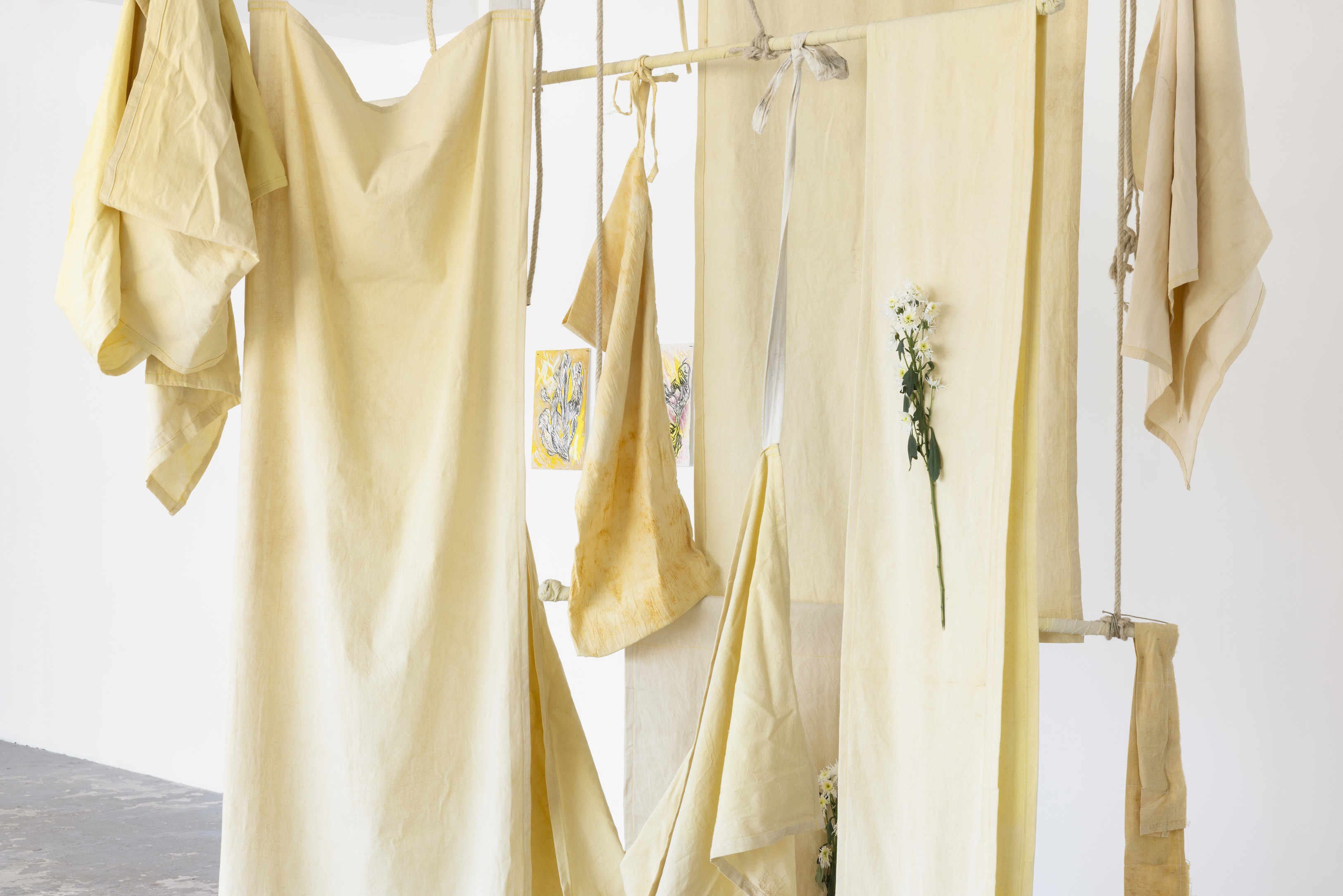
Dancing at the Edge of the World. Arnaldo Pomodoro Sculpture Prize – 8th edition, curated by Federico Giani and Chiara Nuzzi. Courtesy Fondazione ICA Milano, Fondazione Arnaldo Pomodoro and the artists. Ph. credits: Andrea Rossetti Archive.
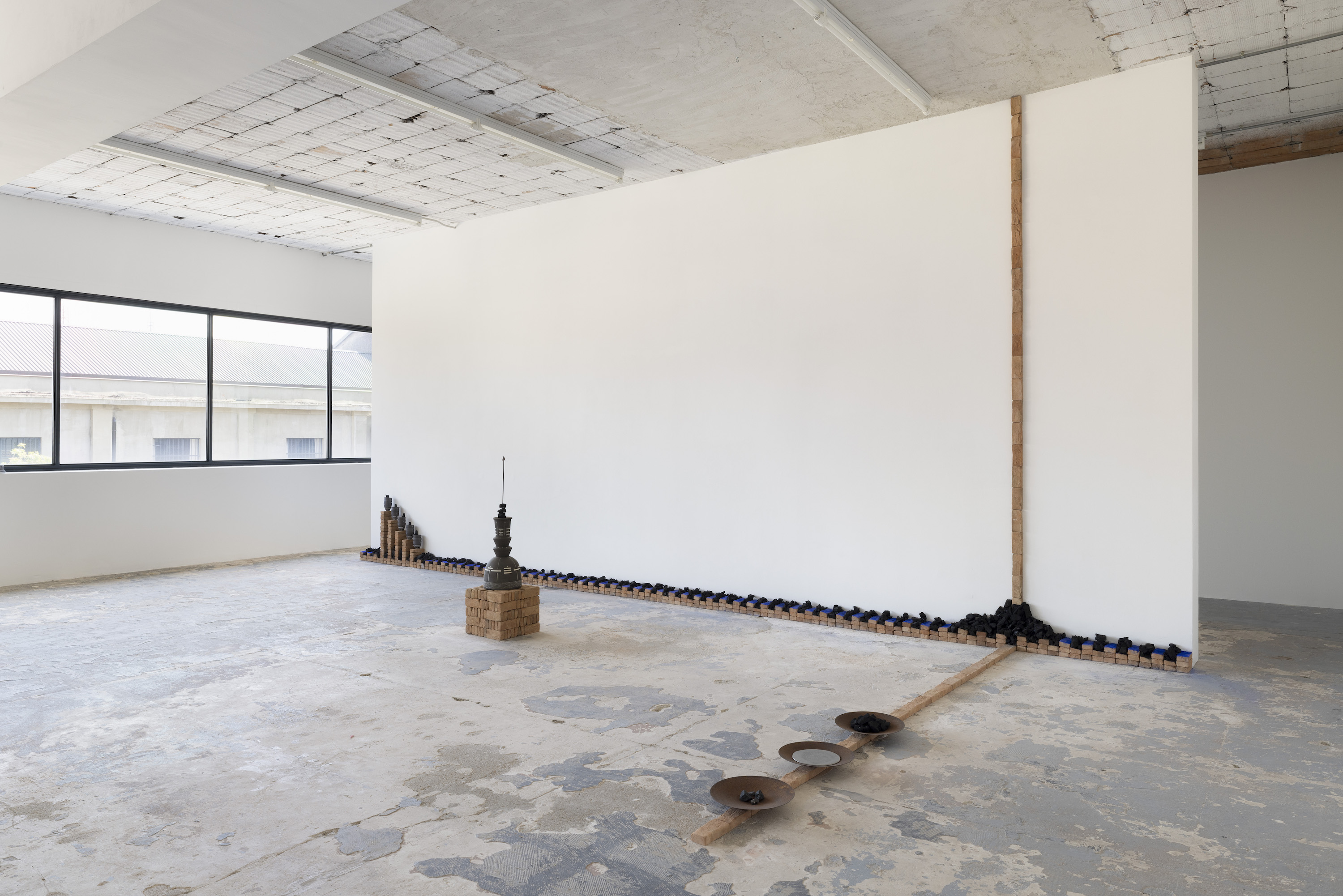
Dancing at the Edge of the World. Arnaldo Pomodoro Sculpture Prize – 8th edition, curated by Federico Giani and Chiara Nuzzi. Courtesy Fondazione ICA Milano, Fondazione Arnaldo Pomodoro and the artists. Ph. credits: Andrea Rossetti Archive.
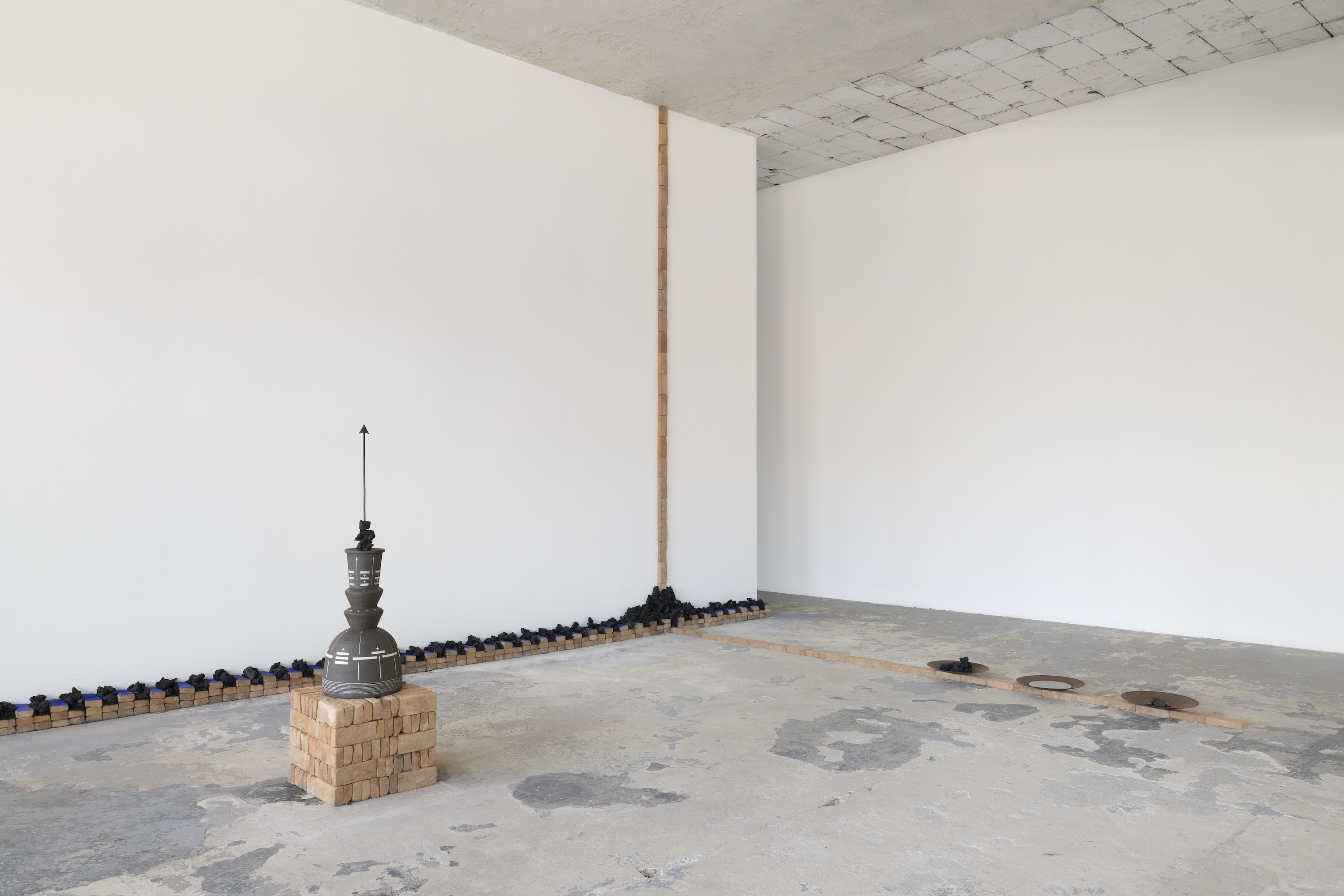
Dancing at the Edge of the World. Arnaldo Pomodoro Sculpture Prize – 8th edition, curated by Federico Giani and Chiara Nuzzi. Courtesy Fondazione ICA Milano, Fondazione Arnaldo Pomodoro and the artists. Ph. credits: Andrea Rossetti Archive.
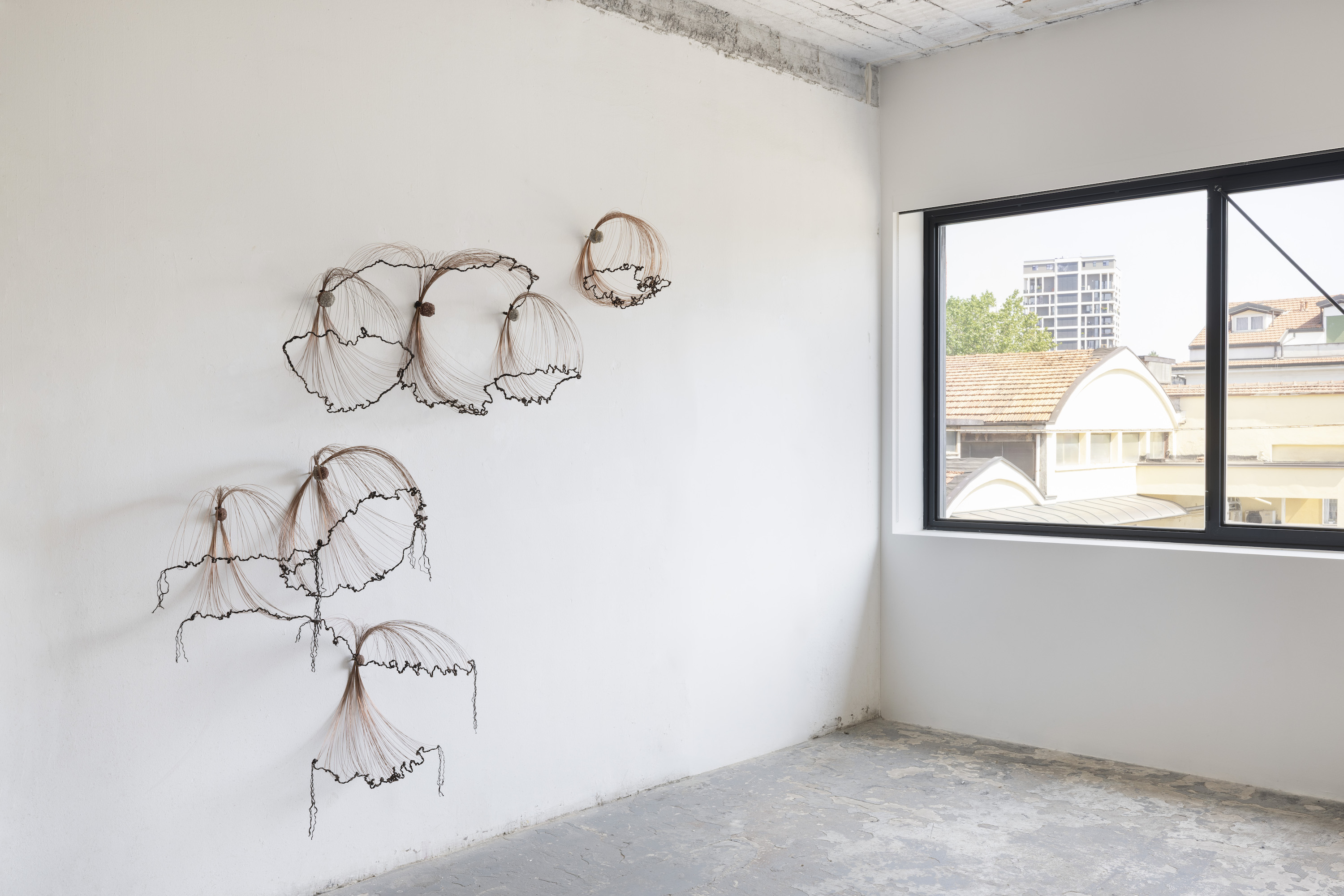
Dancing at the Edge of the World. Arnaldo Pomodoro Sculpture Prize – 8th edition, curated by Federico Giani and Chiara Nuzzi. Courtesy Fondazione ICA Milano, Fondazione Arnaldo Pomodoro and the artists. Ph. credits: Andrea Rossetti Archive.
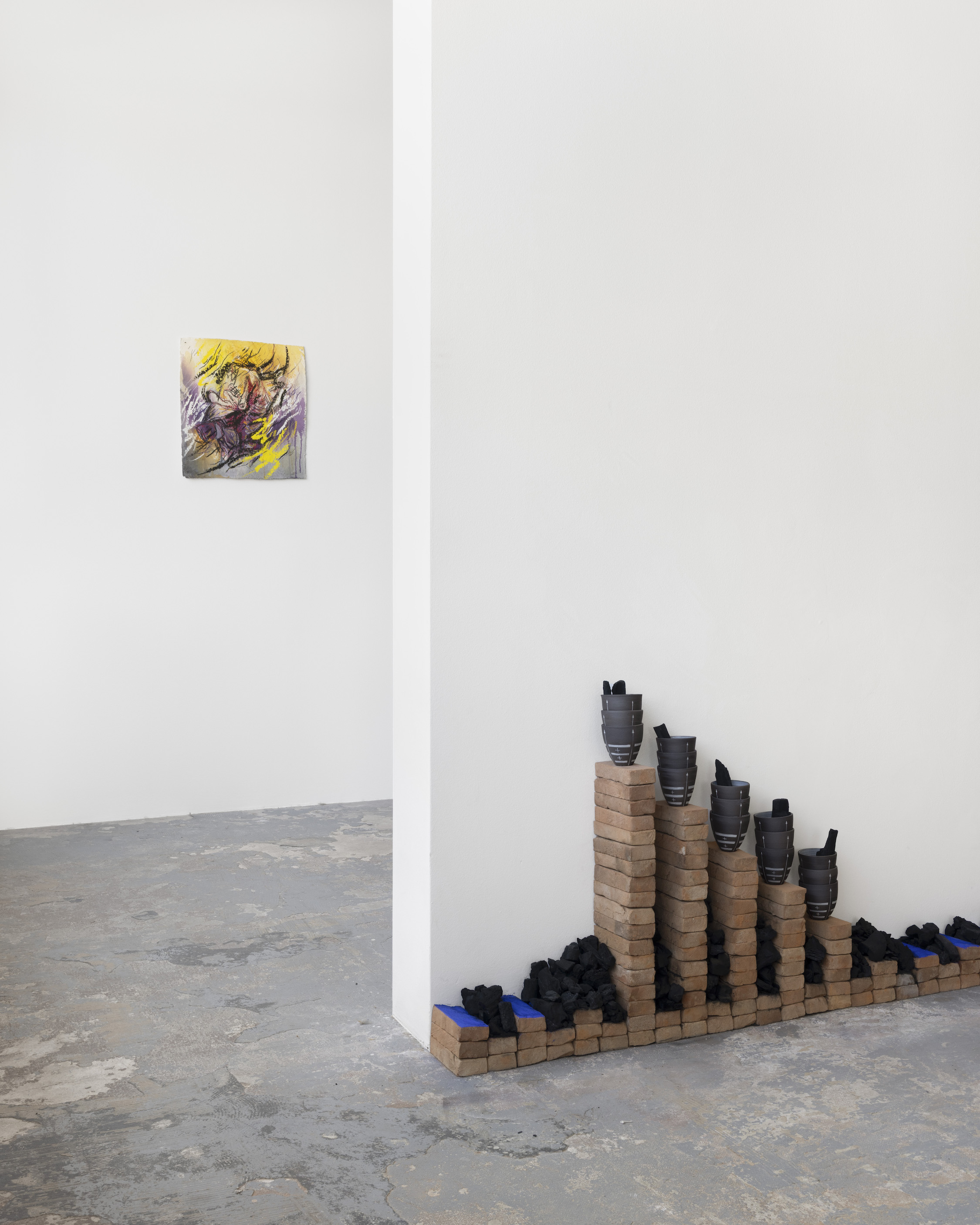
Dancing at the Edge of the World. Arnaldo Pomodoro Sculpture Prize – 8th edition, curated by Federico Giani and Chiara Nuzzi. Courtesy Fondazione ICA Milano, Fondazione Arnaldo Pomodoro and the artists. Ph. credits: Andrea Rossetti Archive.
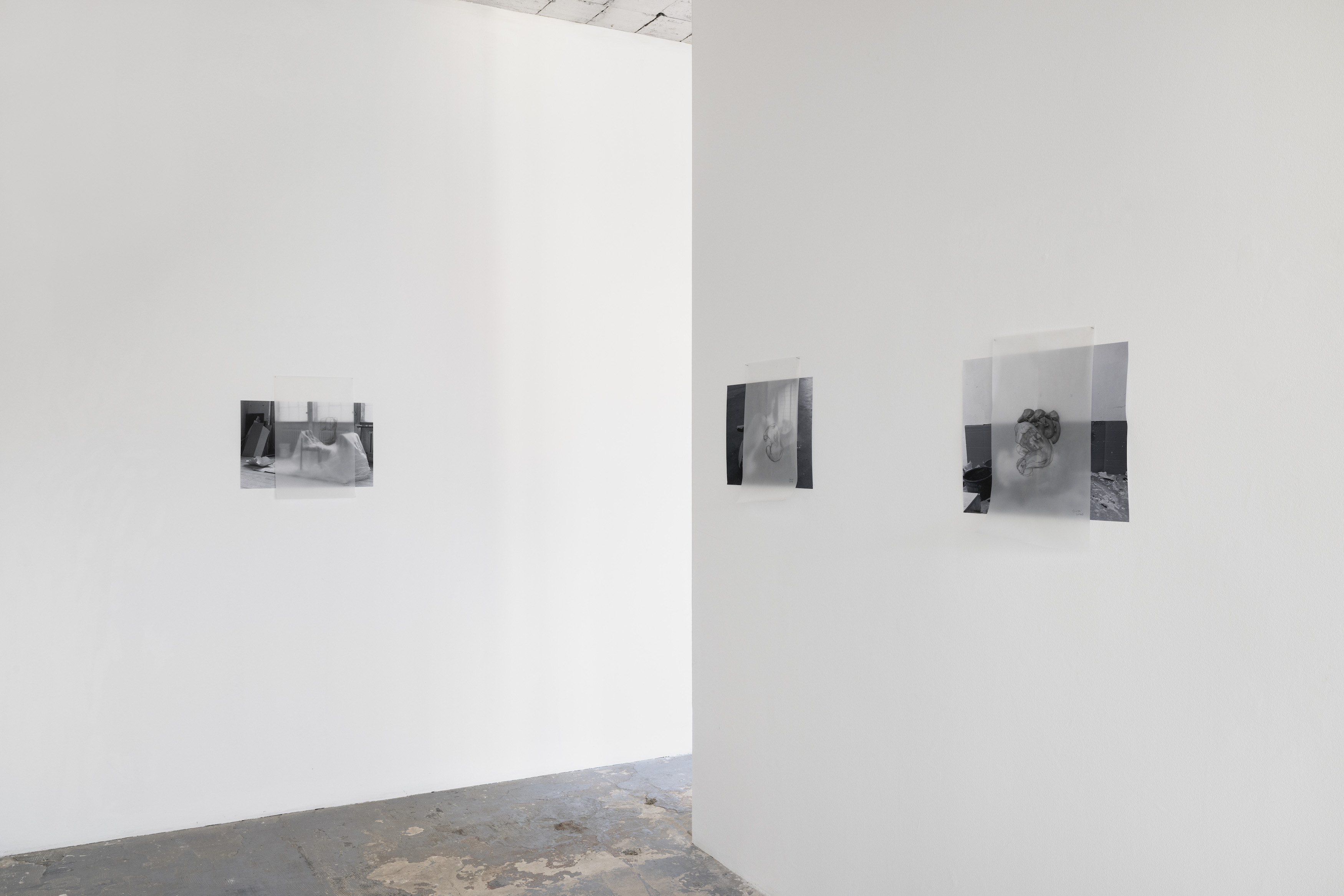
Dancing at the Edge of the World. Arnaldo Pomodoro Sculpture Prize – 8th edition, curated by Federico Giani and Chiara Nuzzi. Courtesy Fondazione ICA Milano, Fondazione Arnaldo Pomodoro and the artists. Ph. credits: Andrea Rossetti Archive.