-
Curated by Chiara Nuzzi and Alberto Salvadori
Opening 26.10.2026
29.10.2026
19.12.2026
From Monday 26 October to Saturday 19 December 2026, Fondazione ICA Milano presents WHEN THERE IS NO MORE MUSIC TO WRITE, the first solo exhibition in an Italian institution dedicated to the work of Éric Baudelaire, curated by Chiara Nuzzi and Alberto Salvadori.
The project brings together the French artist’s cinematic research and the artistic and personal journey of the American composer Alvin Curran (b. 1938), a central figure in international musical experimentation and a key player in a cultural movement that found one of its most fertile environments in Rome during the 1960sand 1970s. Rather than presenting a biographical portrait or historical reconstruction, the exhibition creates a space for interaction between images, sounds and documents, exploring how artistic practices take shape through relationships, contexts, and collective processes of cultural production.
In WHEN THERE IS NO MORE MUSIC TO WRITE, Curran’s personal and artistic journey serves as a starting point for exploring a broader era of cultural and political experimentation. The film trilogy When There Is No More Music to Write, and Other Roman Stories (2022), created by Baudelaire using Super 8 footage, period film clips, archive material, sound recordings and a series of interviews with Curran himself, forms the core of the exhibition.
The title of the project is taken from a remark made by the Italian composer Franco Evangelisti to Curran when he first arrived in Rome: “Don’t you know there’s no more music to write?”. Using that phrase as his starting point, Curran began to question what he had learned and developed new ways of making music. Improvisation, collaborative work, the use of everyday objects and sounds, electronic amplification, and the relationship with space and the audience gradually became central elements of his practice.
Éric Baudelaire explains: “For me, When There Is No More Music to Write has become a mantra – as much artistic as it is political – in the face of what may seem like a dead end. When everything we know has become obsolete, Alvin invites us to invent a new language, a new paradigm of thought.”
To mark the occasion, Fondazione ICA Milano is renewing an important institutional partnership with Fondazione Prada, which is presenting three films by Baudelaire at Cinema Godard, scheduled from Friday 23 to Sunday 25 October 2026. The final event will feature a conversation in English between the artist and Alberto Salvadori, Director of Fondazione ICA Milano, introduced by Chiara Costa, Head of Programs at Fondazione Prada.
THE EXHIBITION ITINERARY
The film trilogy When There Is No More Music to Write, and Other Roman Stories does not offer a biographical account, nor does it reconstruct Alvin Curran’s story in chronological order. Instead, Baudelaire and his longtime collaborator, editor Claire Atherton, construct a narrative of encounters, marginal episodes, and fragments of memory, freely composed from archival material, found images, and various strands of music by Alvin Curran and Musica Elettronica Viva (MEV), the collective he founded with Frederic Rzewski and Richard Teitelbaum. The trilogy weaves the composer’s personal and artistic journey into the cultural and political history of Rome in the 1960s and 1970s.
Curran’s move to Rome in 1965 coincided with a period of profound social and cultural transformation, during which new forms of musical experimentation intersected with contemporary artistic practices and the radical political movements sweeping the country. It is within this context—also marked by years of political violence and the kidnapping and murder of Aldo Moro in 1978—that Baudelaire reconstructs Curran’s formative years and the environment in which his musical exploration took shape.
In addition to the composer’s first-person accounts, the trilogy unfolds through side stories, fragmentary material, and seemingly random coincidences, which Baudelaire uses to approach the narrative from unconventional angles.
The first film in the trilogy, Four Flat Tires (2022), takes the viewer back to the morning the Red Brigades kidnapped Aldo Moro through the story of Antonio Spiriticchio, a Roman florist who sold his flowers at the intersection where the abduction took place. From this secondary episode, Baudelaire builds a narrative in which a historical event of national significance is viewed through the lens of an individual story—one shaped by chance, absence, and possibility.
In The Lost Score (2022), the artist turns to Curran's relationship with cinema. Michelangelo Antonionihad commissioned Curran and MEV to compose the soundtrack for Zabriskie Point (1970), but in the final cut, the American studio imposed music by Pink Floyd for most of the film. A seven-minute fragment of Curran's original soundtrack, long thought to be lost, was rediscovered during the research for the trilogy and is now set against fragments of footage from Antonioni's film, giving rise to a new relationship between images and music and shedding light on an unknown episode in the history of Italian musical and cinematic experimentation.
The trilogy forms part of Baudelaire’s broader body of work, developed over nearly twenty years and spanning art and documentary, characterised by a consistent interest in the construction and staging of images, the intersection of fiction and reality, and the relationship between the artist and the subject.
In the artist’s work, the subject is not merely an object of observation but plays an active role in its very creation. This collaborative approach arises from a process rooted in intuition and exploration, whereby the forms of the work gradually emerge through encounters with the people, places, and materials involved.
Alongside the film trilogy, WHEN THERE IS NO MORE MUSIC TO WRITE features a selection of archival material collected and organised by music historian Maxime Guitton, a series of graphic works by Éric Baudelaire, and a concert of musical improvisation with Alvin Curran and Angelo Farro, taking place onOctober 26 on the occasion of the opening.
Photographs, scores, programmes, objects and traces of Curran’s creative process are presented as elements of a living archive – not merely records of the past, but materials capable of reawakening the imagination and conveying the complexity of a cultural era. The concert will take place on the occasion of the opening on October 26.
FONDAZIONE PRADA AND CINEMA GODARD
To coincide with the exhibition, the Fondazione ICA Milano is also renewing its collaboration with the Fondazione Prada, which is presenting a selection of three films by Éric Baudelaire as part of Cinema Godard’s autumn film programme, thereby offering an overview of the formal and methodological diversity of his cinematic practice.
The first screening is scheduled for Friday 23 October 2026 at 4.00 pm, featuring Letters to Max (2014, 103’), inspired by the correspondence between Baudelaire and Maxim Gvinjia, the former Foreign Minister of the unrecognized sate of Abkhazia. The following day, Saturday 24 October 2026, at 3.45 pm, Un Film Dramatique (2019, 110’) will be screened, the result of a four-year collaboration with pupils at a secondary school north of Paris. The programme concludes on Sunday 25 October
2026 at 6.00 pm with A Flower in the Mouth (2021, 67’), an adaptation of a short play by Luigi Pirandello.
The event will be followed by a conversation in English between Éric Baudelaire and Alberto Salvadori, Director of Fondazione ICA Milano, introduced by Chiara Costa, Head of Programs at Fondazione Prada.
Fondazione ICA Milano would like to thank Intesa Sanpaolo, the Foundation’s official sponsor, Valsoia and Enel for their support of ICA Milano’s programme and activities.
The exhibition Éric Baudelaire. WHEN THERE IS NO MORE MUSIC TO WRITE has been made possible thanks to the support of Eni as Main Partner and Trampoline, an association supporting the French art scene, based in Paris.
We thank Fondazione Prada for its collaboration.
ÉRIC BAUDELAIRE
Éric Baudelaire is an artist and filmmaker based in Paris, France. After beginning his career as a researcher in political science, he turned his attention to the visual arts and cinema, developing a hybrid practice that blends documentary, fiction, research and exhibition formats. His work explores a reality shaped by the systems of representation that structure contemporary societies: political, judicial, economic and informational constructs. His feature-length films are screened at festivals and presented in exhibitions, where they form part of larger installations that include other works, archival documents and extensive accompanying programmes. He is currently taking part in the 61st International Art Exhibition – La Biennale di Venezia (2026). In recent years, his works have been exhibited at the Centre Pompidou, the MMK in Frankfurt, the Kunsthalle in St Gallen, the Museo Reina Sofía, the Bergen Kunsthall, the Kunstinstituut Melly (formerly Witte de With), the Bétonsalon, the Fridericianum, the Beirut Art Centre, Gasworks, as well as the Whitney Biennial, the Sharjah Biennial, the Yokohama Triennial, Mediacity in Seoul and the Taipei Biennial. He was awarded the 2019 Marcel Duchamp Prize and has recently published a monograph entitled Make, Do, With with Paraguay Press.
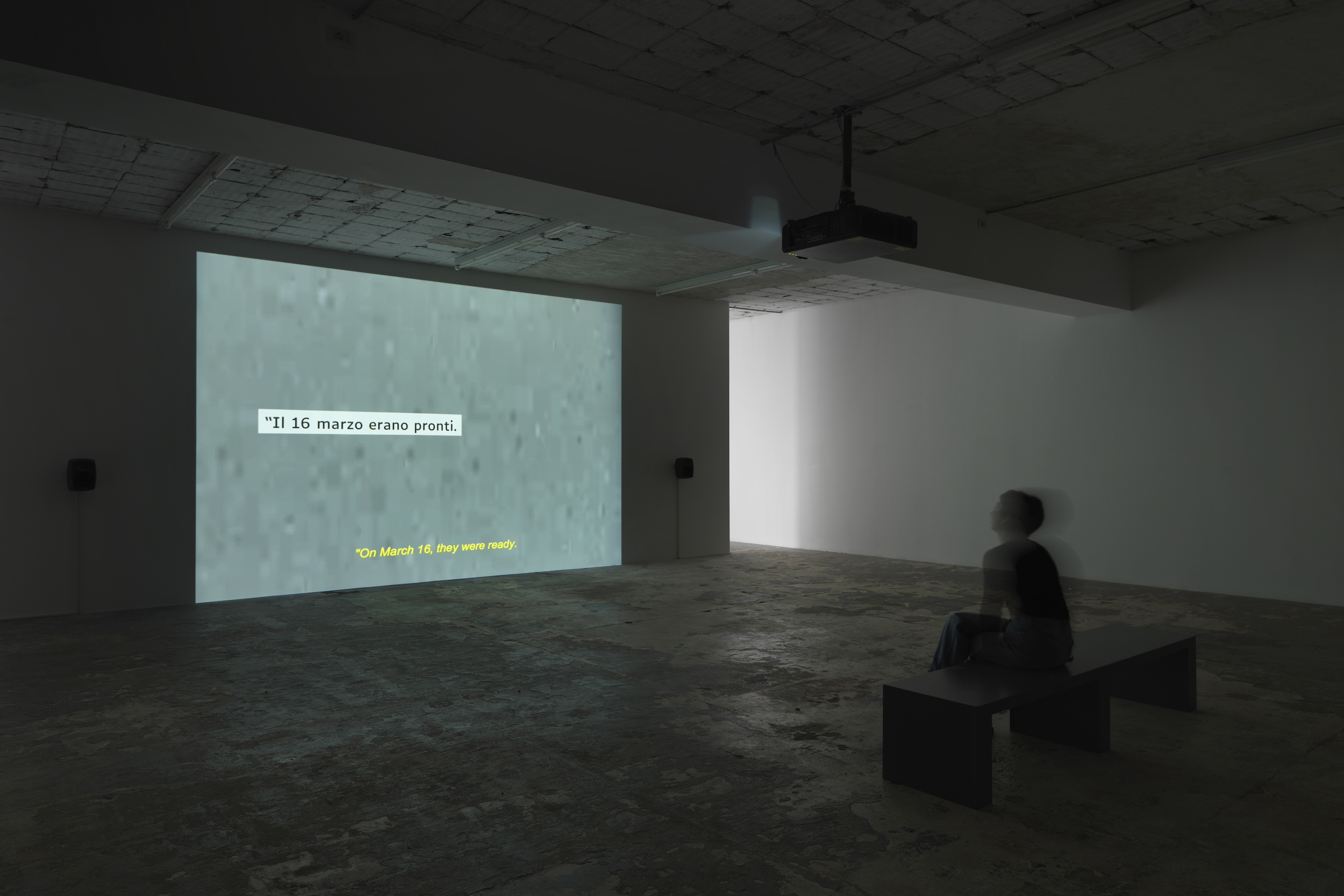
Installation View, Éric Baudelaire. When There Is No More Music To Write, curated by Alberto Salvadori and Chiara Nuzzi. Courtesy Fondazione ICA Milano and the artist. Ph. credits: Dario Lasagni
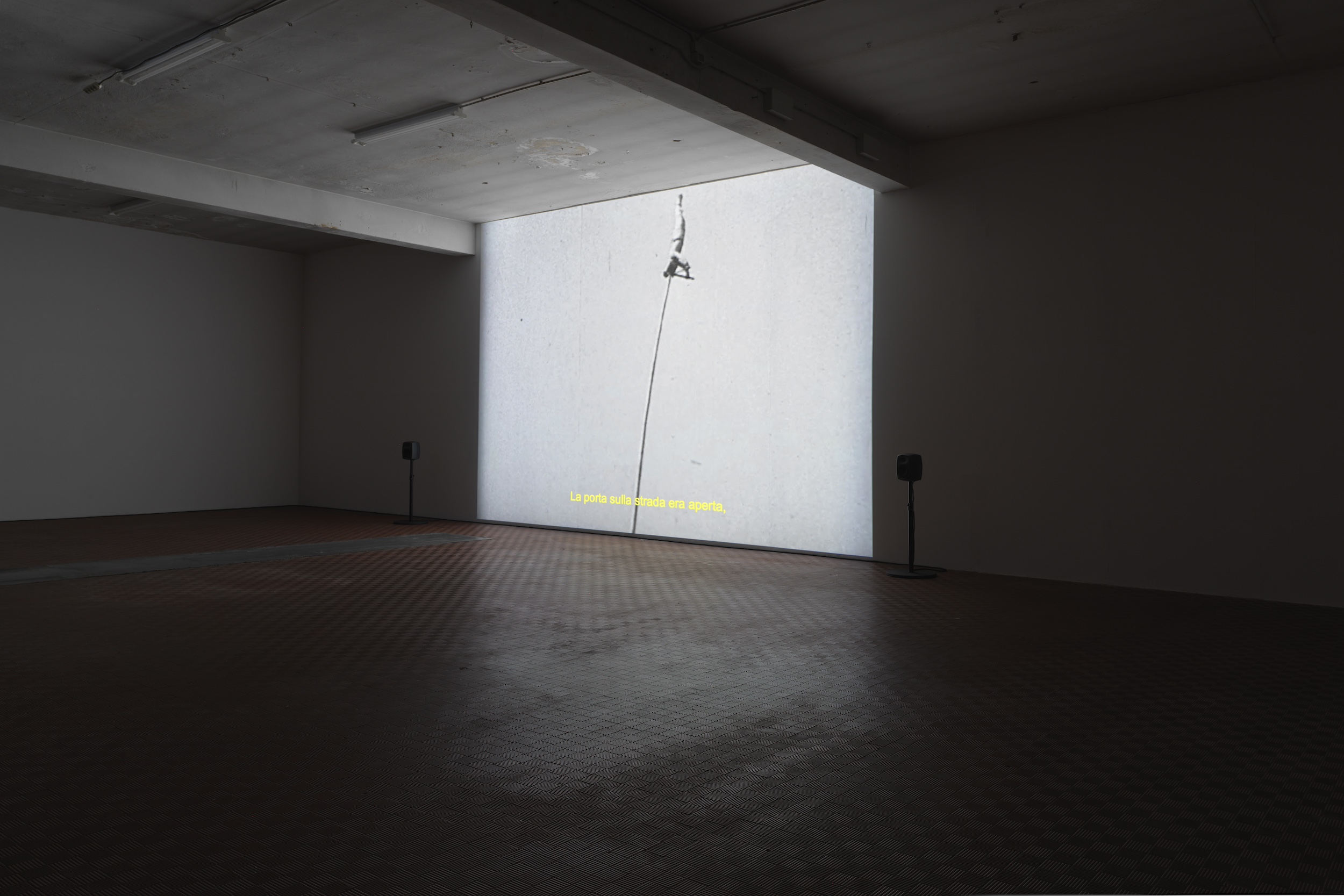
Installation View, Éric Baudelaire. When There Is No More Music To Write, curated by Alberto Salvadori and Chiara Nuzzi. Courtesy Fondazione ICA Milano and the artist. Ph. credits: Dario Lasagni
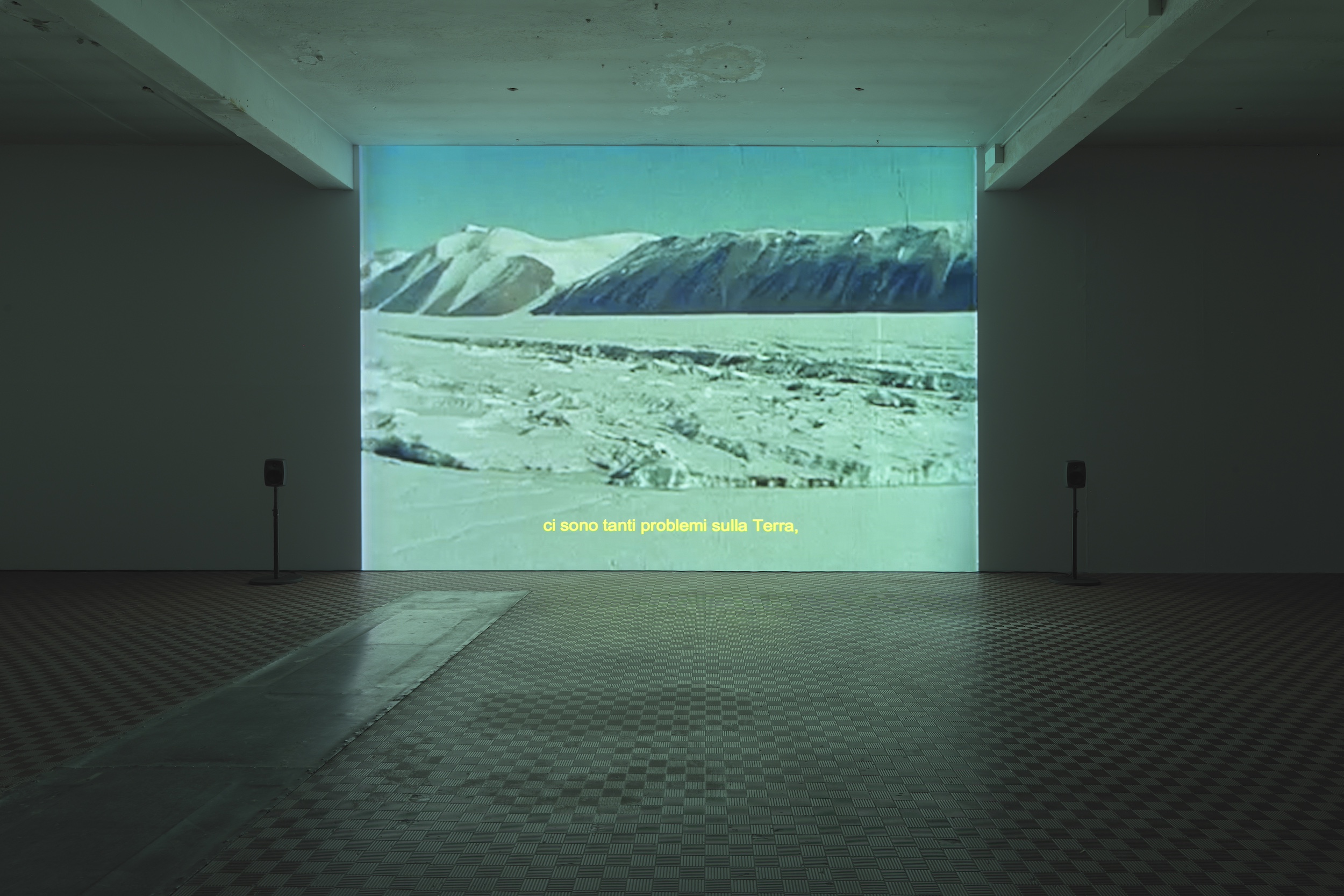
Installation View, Éric Baudelaire. When There Is No More Music To Write, curated by Alberto Salvadori and Chiara Nuzzi. Courtesy Fondazione ICA Milano and the artist. Ph. credits: Dario Lasagni
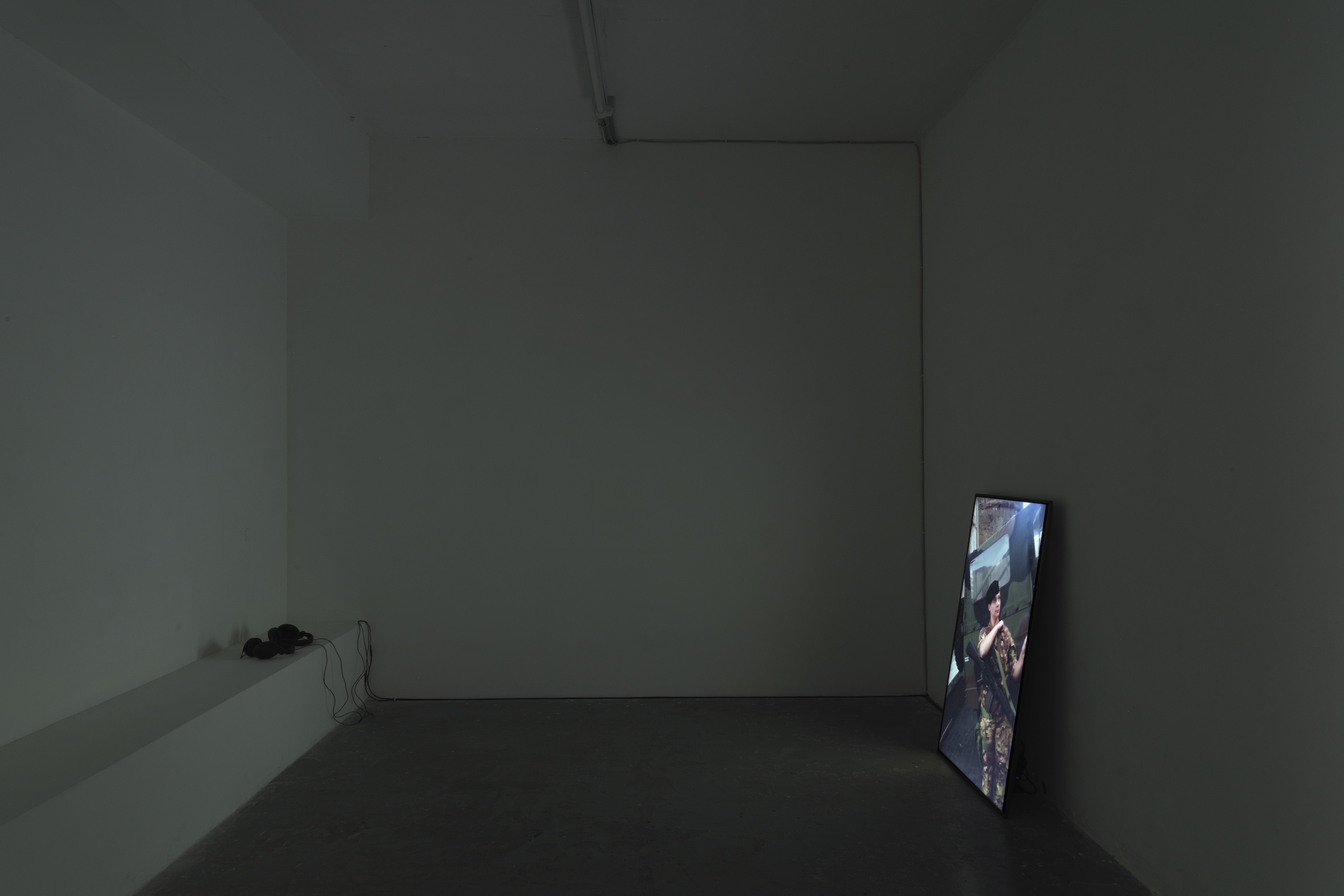
Installation View, Éric Baudelaire. When There Is No More Music To Write, curated by Alberto Salvadori and Chiara Nuzzi. Courtesy Fondazione ICA Milano and the artist. Ph. credits: Dario Lasagni
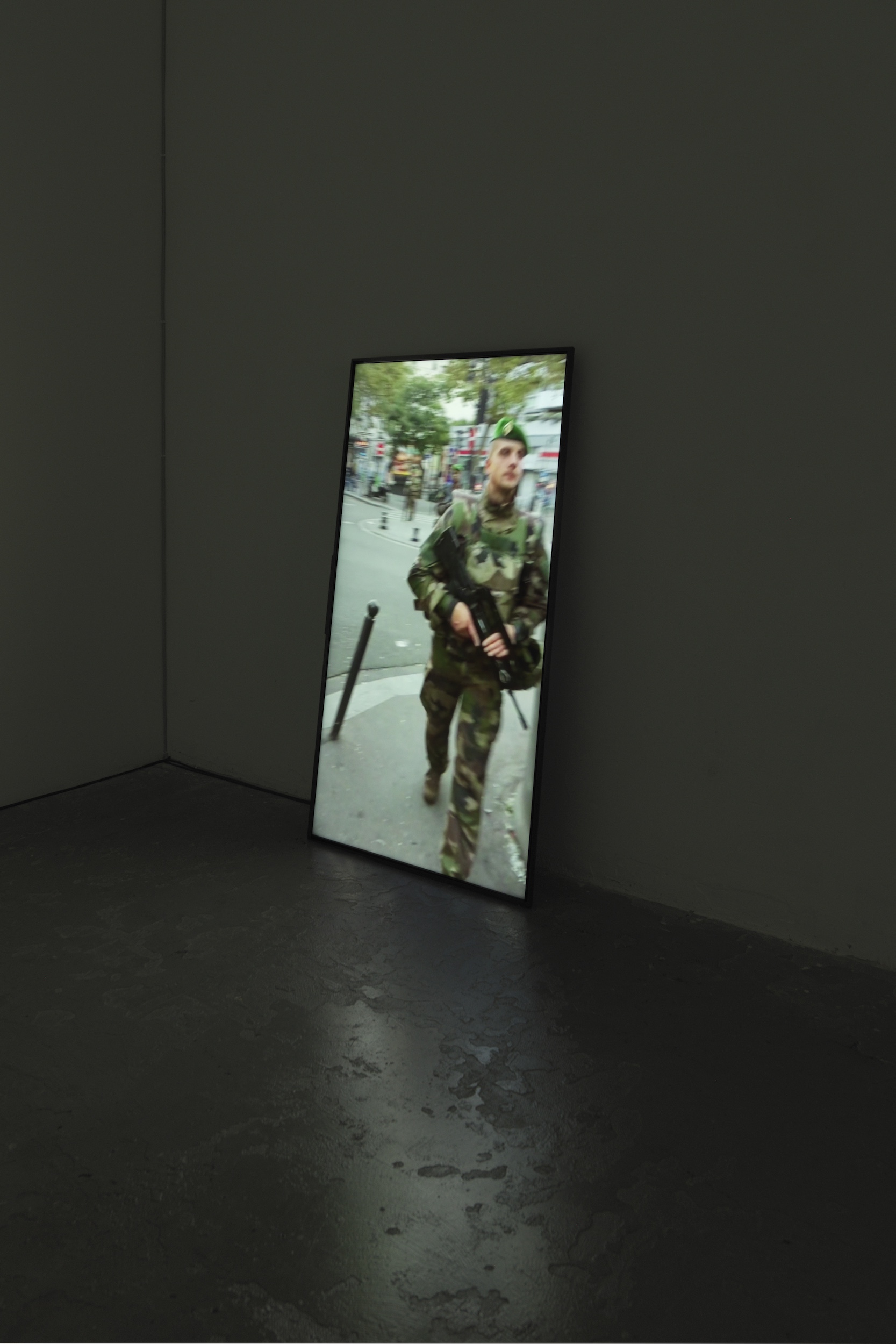
Installation View, Éric Baudelaire. When There Is No More Music To Write, curated by Alberto Salvadori and Chiara Nuzzi. Courtesy Fondazione ICA Milano and the artist. Ph. credits: Dario Lasagni
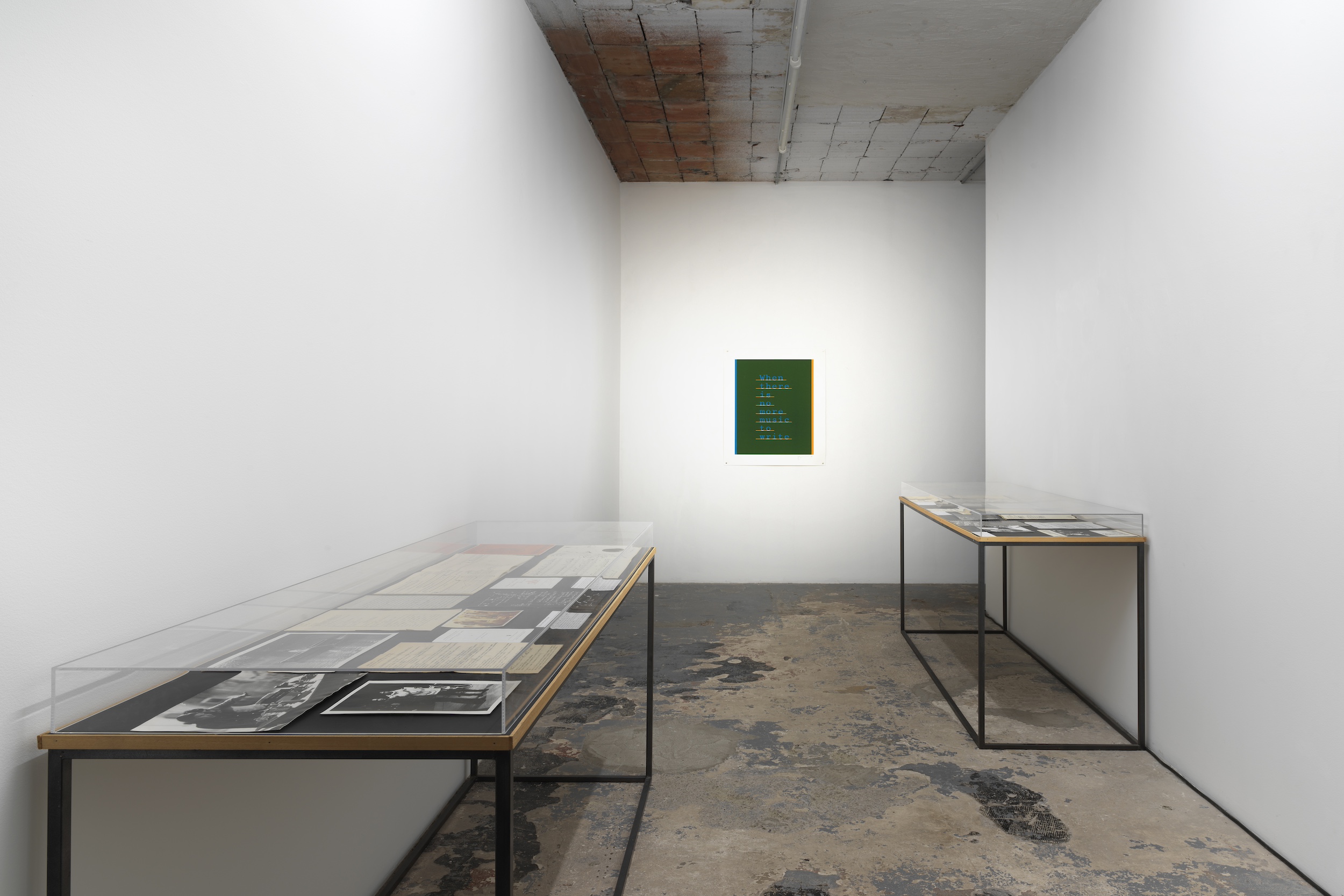
Installation View, Éric Baudelaire. When There Is No More Music To Write, curated by Alberto Salvadori and Chiara Nuzzi. Courtesy Fondazione ICA Milano and the artist. Ph. credits: Dario Lasagni
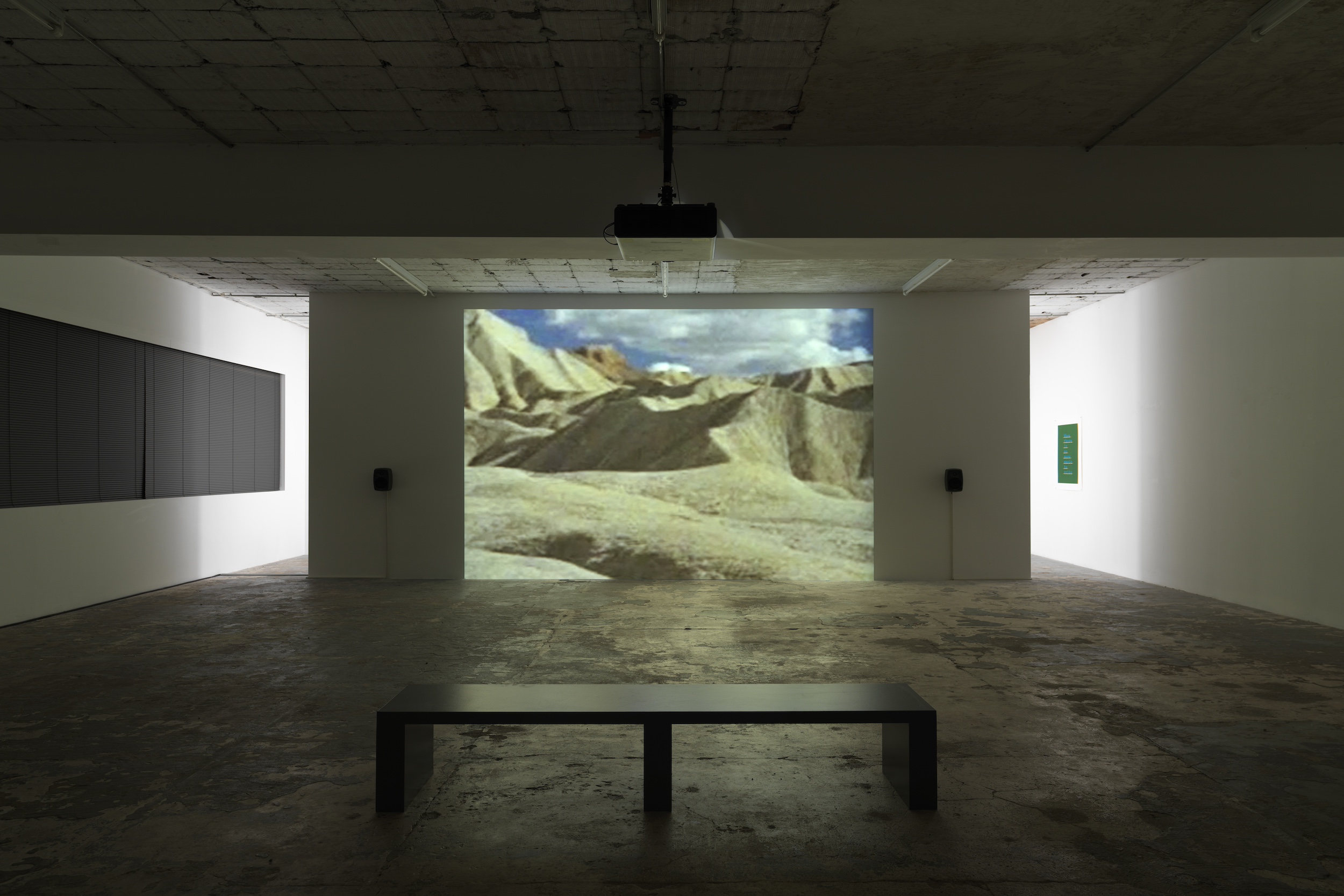
Installation View, Éric Baudelaire. When There Is No More Music To Write, curated by Alberto Salvadori and Chiara Nuzzi. Courtesy Fondazione ICA Milano and the artist. Ph. credits: Dario Lasagni
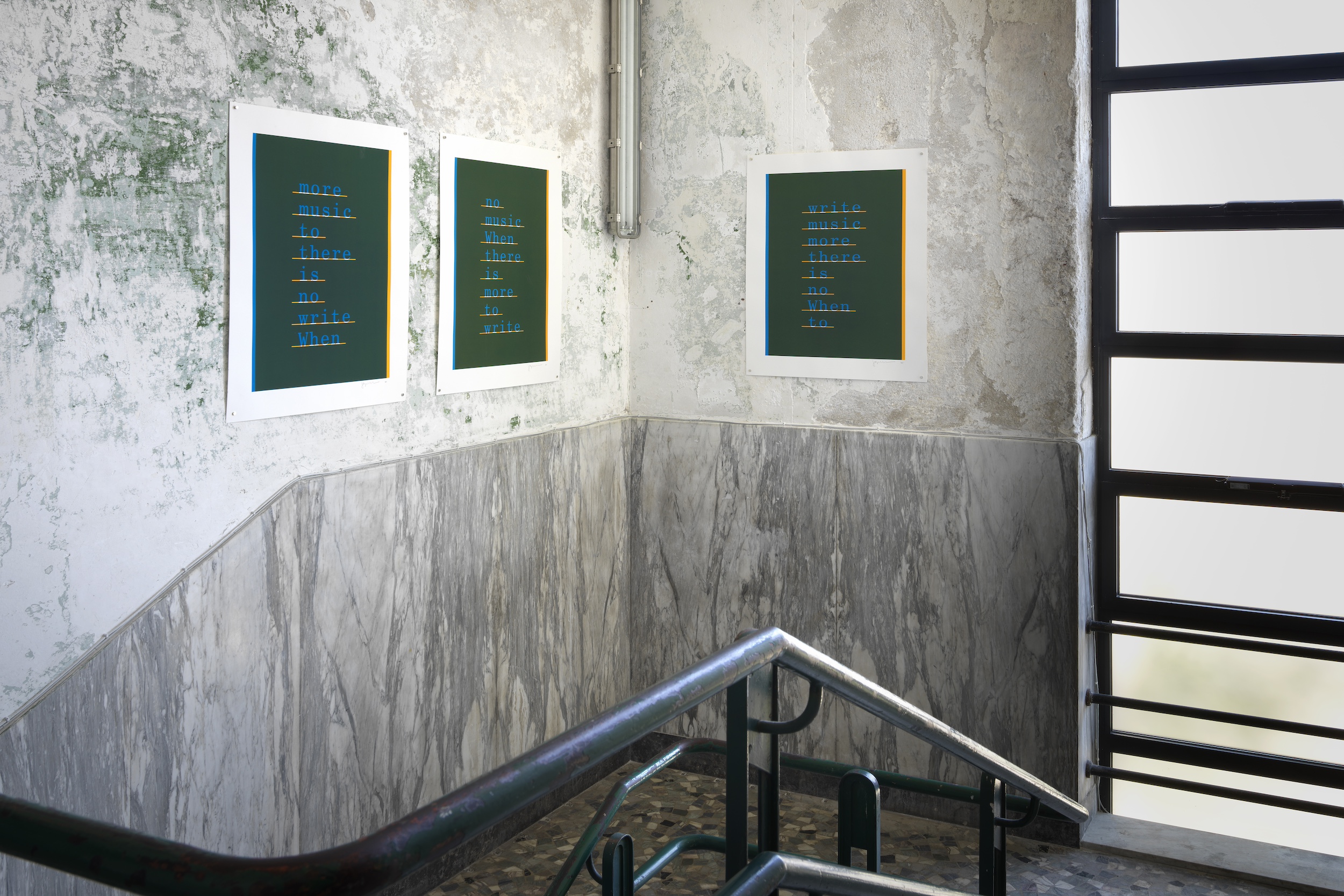
Installation View, Éric Baudelaire. When There Is No More Music To Write, curated by Alberto Salvadori and Chiara Nuzzi. Courtesy Fondazione ICA Milano and the artist. Ph. credits: Dario Lasagni